
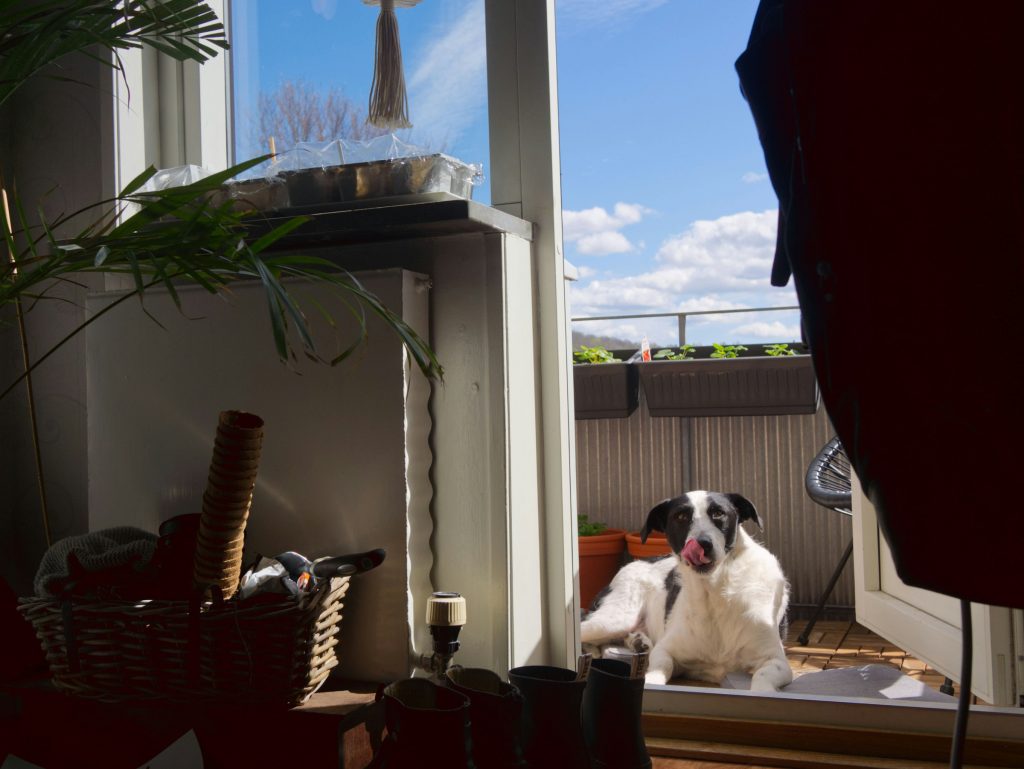
How to Create a Safe Dog-Friendly Balcony (Even in Small Apartments)
A Dog-Friendly Balcony can be a valuable extension of your apartment, offering fresh air and enrichment in a controlled space. But without proper planning, balconies can pose serious safety risks for dogs.
The goal isn’t to “dog-proof” your balcony once and hope for the best. The goal is to build a setup that’s safe, predictable, and comfortable so your dog can enjoy the space without you constantly worrying about jumping, squeezing through railings, chewing unsafe items, or overheating in the sun.
In this guide, you’ll learn practical ways to create a safer balcony layout, reduce fall and escape risks, prevent common balcony hazards, and make the space feel calm and inviting—even if your balcony is small.
If you’ve been wanting to turn your balcony into a safer “bonus room” for your dog, this is the step-by-step plan to do it the right way.
The Biggest Balcony Risks for Dogs (What to Fix First)
To build a truly Dog-Friendly Balcony, start by addressing the highest-risk issues first. Most balcony problems fall into a few predictable categories: falls, escapes, heat exposure, and unsafe items your dog can chew or ingest.
1) Rail gaps and “squeeze-through” points
Many balcony railings have gaps that look harmless—until you realize a small dog can slip through, or a larger dog can push their head or shoulders into a space that’s not meant for them. Even if your dog has never tried before, curiosity can change that fast.
2) Jumping up on furniture near the railing
Chairs, storage benches, or planters placed near the edge can turn into a “launch pad.” Dogs don’t always understand height risk, especially if they get excited by sounds or movement below. Part of a Dog-Friendly Balcony is keeping climbable items away from railing lines.
3) Door dashing and sudden escape attempts
Balcony doors are a common “dash point.” If your dog bolts through as soon as the door opens, they can bump into furniture, snag a paw, or run straight toward the railing before you can react. This is especially risky when you’re carrying drinks, laundry, or anything that slows you down.
4) Heat and sun exposure
Balconies can heat up quickly—even on days that feel mild. Direct sun, hot flooring, and poor airflow can cause overheating faster than many owners expect. Shade and supervised time outdoors are key parts of a safer setup.
5) Plants, cleaners, and chew hazards
Many balconies store things dogs shouldn’t access: potting soil, fertilizers, cleaning sprays, citronella candles, and certain plants. Dogs who are bored or anxious may chew or lick items out of curiosity. Balcony safety is just as much about what’s within reach as it is about the railing.
For a broader room-by-room approach to apartment safety (including common household hazards), this guide fits perfectly alongside balcony prep: 25 Genius Pet Safety Tips for Apartment Living (Room-by-Room Guide) .
Next, we’ll cover the practical fixes that turn these risks into a calmer, safer, more Dog-Friendly Balcony—even in tight spaces.

Simple Upgrades That Make a Balcony Dog-Friendly
Creating a Dog-Friendly Balcony doesn’t require major renovations. A few thoughtful upgrades can dramatically reduce risk while making the space more comfortable and inviting for your dog.
Secure the railing with dog-safe barriers
Temporary mesh, clear panels, or outdoor-rated barriers can close off gaps in balcony railings without damaging the structure. The goal is to eliminate any openings your dog could squeeze through or get their head stuck in.
Reposition furniture to remove jump points
Keep furniture, planters, and storage bins away from the railing line. Even a curious dog can surprise you with a quick leap when something catches their attention below.
Add comfortable, non-slip flooring
Many balcony surfaces are slippery or get extremely hot in the sun. Outdoor mats, turf designed for pets, or non-slip tiles help protect paws and reduce the chance of slipping or panic.
Provide shade and fresh water
Shade is essential for a Dog-Friendly Balcony. Use umbrellas, privacy screens, or covered corners to block direct sun, and always provide fresh water when your dog is outside.
Keep the space calm and uncluttered
A cluttered balcony increases stress and temptation to chew. Store cleaning supplies, tools, and planters out of reach, and limit the space to a few safe, familiar items your dog can relax around.
If your dog becomes overstimulated by outside noise or movement while on the balcony, calming strategies indoors can help reduce overall reactivity: 7 Easy Ways to Calm Your Dog: Apartment Dog Anxiety .
In the next section, we’ll talk about supervision, training, and when a balcony should never be used unsupervised—even after it’s been made safer.
Supervision Rules for a Dog-Friendly Balcony (What Not to Do)
Even the safest setup doesn’t replace supervision. A truly Dog-Friendly Balcony is one where rules are clear, habits are predictable, and your dog is never put in a situation they can’t handle.
Don’t leave your dog alone on the balcony
Balconies should never be used as an unsupervised holding area. Sudden noises, birds, or movement below can trigger jumping or panic in seconds. Even calm dogs can react unpredictably when startled.
Don’t rely on leashes or tie-outs
Tethering a dog on a balcony creates serious risk. Leashes can get tangled around railings or furniture, increasing the chance of injury or falls. A safe balcony relies on layout and barriers—not restraints.
Don’t allow rough play near the edge
Excited play, zoomies, or tug games near railings can quickly become dangerous. Balcony time should be calm and controlled, focused on relaxation rather than high-energy activity.
Don’t assume training alone prevents accidents
Even well-trained dogs can slip, jump, or make poor decisions when something unexpected happens. Physical safety measures are still necessary, no matter how reliable your dog usually is.
Many balcony-related issues are tied to noise reactivity or alert barking. If your dog becomes overstimulated by sounds below, this guide can help reduce those triggers: How to Stop Your Dog From Barking at Random Noises .
Next, we’ll wrap everything up and answer common questions about building and maintaining a safe Dog-Friendly Balcony.
According to the American Kennel Club, creating a safe Dog-Friendly Balcony means prioritizing fall prevention, supervision, and heat management at all times: Making Your Balcony Fun and Dog-Friendly (AKC) .
Final Thoughts
A well-designed Dog-Friendly Balcony can be a safe, enjoyable extension of your living space—but only when safety comes first. By addressing fall risks, removing jump points, limiting access to hazards, and supervising balcony time, you give your dog the chance to enjoy fresh air without unnecessary danger.
The goal isn’t to leave your dog alone outside or replace walks. Instead, think of your balcony as a calm, short-duration enrichment space where your dog can relax, observe, and decompress alongside you.
If you ever feel unsure about a balcony setup, err on the side of caution. No view or convenience is worth the risk of a preventable accident.
When designed intentionally, a Dog-Friendly Balcony becomes a calm, supervised space your dog can safely enjoy rather than a hidden hazard.
Frequently Asked Questions
Can any balcony be made dog-friendly?
Most balconies can be made safer, but not all are suitable for dogs. Balconies with wide gaps, unstable railings, or extreme sun exposure may not be appropriate—even with modifications.
Is it safe to leave my dog alone on the balcony?
No. Dogs should never be left unattended on a balcony. Sudden noises or movement can trigger panic or jumping, even in dogs that normally behave calmly.
What size dog can safely use a balcony?
Size matters less than behavior and setup. Small dogs may fit through gaps, while larger dogs may be strong enough to move furniture. Safety depends on proper barriers, layout, and supervision.
Can a dog get overheated on a balcony?
Yes. Balconies can trap heat and reflect sunlight, making them hotter than expected. Shade, airflow, water, and limited exposure time are essential.
Are mesh barriers enough to keep dogs safe?
Mesh barriers help reduce fall risk but aren’t a substitute for supervision. They should be securely installed and checked regularly for wear or gaps.

Join the Busy Pet Parent
Newsletter!
Get easy routines, time-saving tips, and the latest gear reviews—delivered straight to your inbox.
Perfect for busy pet owners, apartment dwellers, and anyone who wants a happy, healthy companion (without the stress).
- Exclusive guides & checklists
- Product recommendations & deals
- No spam—unsubscribe anytime!
More Articles You Might Like
15 Smart Ways to Help Overweight Dogs Lose Weight in Small Apartments
Read more

Pet Deposit Pet Rent Fees Explained (What’s Normal vs Red Flags)
Read more
How to Handle a Pet Emergency When You’re at Work or Traveling
Read more
15 Creative Ways to Keep Pets Cool in a Small Apartment (All Summer Long)
Read more