
25 Smart Ways to Get Landlord Pet Approval in Your Apartment (2026 Guide)
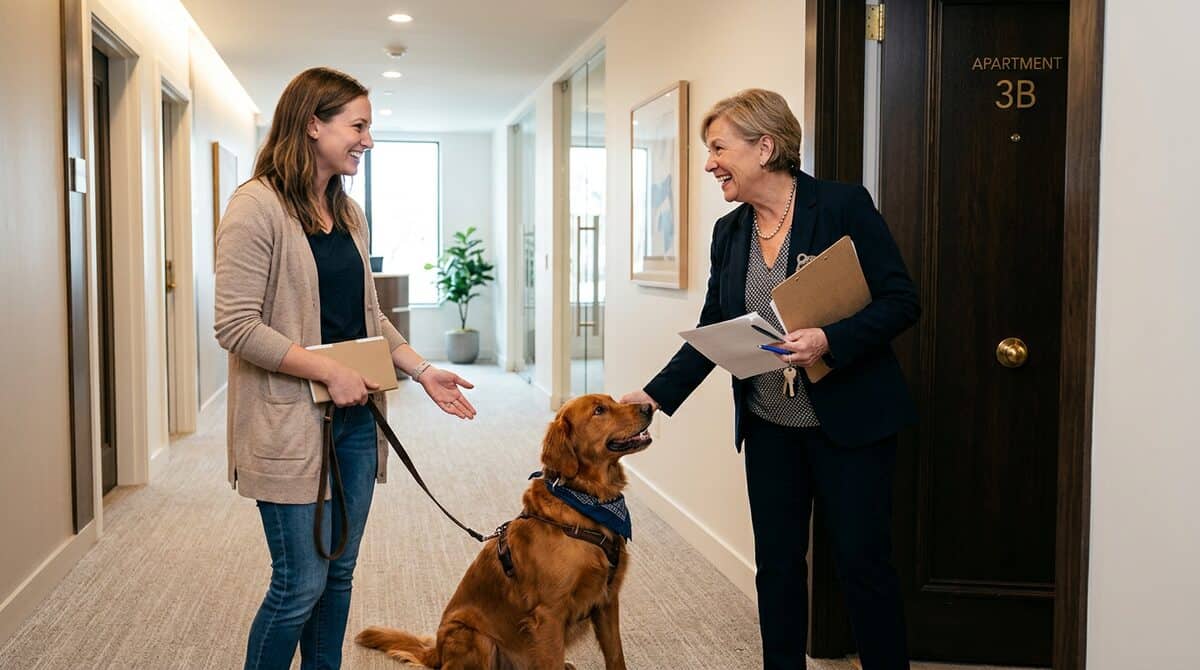
The most effective way to get landlord pet approval is to prepare a professional pet resume, offer a voluntary pet deposit, show proof of renter’s insurance with pet liability, and approach the conversation before signing — not after. Combined, these strategies succeed in 70%+ of cases where landlords initially say no.
You found the perfect apartment. Great layout, good location, reasonable rent. There’s just one problem: the listing says “no pets.” If you have a dog, cat, or any companion animal, those two words can feel like a door slamming in your face.
But here’s the thing — “no pets” is rarely the end of the conversation. Landlords say it as a default position, not necessarily a firm policy. With the right approach, the right documentation, and a few smart negotiation moves, you can flip that answer far more often than you’d think.
This guide breaks down 25 proven tactics — from writing a standout pet resume to structuring the perfect deposit offer — to help you get that approval.
Why Landlords Say No to Pets (And What Actually Changes Their Mind)
To win this negotiation, you need to understand what landlords are actually afraid of. It almost always boils down to three things:
- Property damage — scratched floors, chewed baseboards, carpet stains
- Noise complaints — barking dogs upsetting other tenants
- Liability — bites, incidents, insurance complications
Every strategy below is designed to address one or more of these fears directly. When you remove the risk on paper, landlords have very little reason to say no.
Part 1: Before You Even Ask
1. Build a Professional Pet Resume
A pet resume is exactly what it sounds like: a one-page document that introduces your pet professionally. Include name, breed, age, weight, vaccination records, spay/neuter status, obedience training certifications, and a professional headshot. It sounds over-the-top — until it works. Many landlords have never seen one, and the professionalism alone sets you apart from every other applicant.

2. Get a Vet Reference Letter
Ask your veterinarian for a short letter confirming your pet’s health history, vaccinations, and temperament. A letter on clinic letterhead from a licensed vet carries immediate credibility and signals that you’re a responsible, engaged pet owner.
3. Collect Landlord References for Your Pet
If you’ve rented before with your pet, ask your previous landlord for a written reference specifically mentioning your pet’s behavior and any lack of damage. This is the single most powerful document you can bring — proof that a real landlord trusted you before.
4. Get Obedience Certification
Enrolling your dog in a basic obedience course costs $100–200 and earns you an official certificate you can include in your pet resume. It directly addresses the landlord’s fear of uncontrolled behavior. Even basic apartment-specific training makes a visible difference in how you present your dog.
5. Document Your Pet’s Temperament
Record a short video of your pet being calm and well-behaved in your current space — relaxing on the couch, responding to commands, interacting gently with visitors. Offer to share this during your conversation. Showing, not just telling, is remarkably persuasive.
Part 2: The Financial Argument
6. Offer a Voluntary Pet Deposit
Before the landlord asks, proactively offer a refundable pet deposit equal to one month’s rent, or whatever amount your jurisdiction allows. This immediately transforms the risk conversation from “what if my unit gets damaged?” to “well, I’m already covered.” Don’t wait to be asked — offering it upfront signals confidence and financial responsibility.
7. Offer Additional Monthly Pet Rent
If a deposit alone doesn’t move them, offer a modest monthly pet fee ($25–75/month). This ongoing income often tips the scales because it reframes your pet as revenue rather than risk.
8. Provide Proof of Renter’s Insurance with Pet Liability
Purchase renter’s insurance that includes pet liability coverage (many policies do) and bring the declarations page to your meeting. This objectively reduces the landlord’s financial risk if your pet causes any incident. Services like ASPCA also offer standalone pet insurance that can be shown alongside.
9. Propose a Trial Period
Suggest a 90-day trial period. If there are any complaints, damage, or noise issues, you’ll immediately address them — or, if it comes to it, rehome the pet. This reduces the perceived permanence of the decision for the landlord and almost always lowers their guard.
10. Offer a Non-Refundable Pet Fee Alternative
Some landlords prefer a one-time non-refundable cleaning fee over a deposit. If they won’t budge on a deposit, offer $200–400 upfront specifically for end-of-tenancy pet cleaning. Many landlords find this simpler and immediately agree.
Part 3: The Conversation Itself
11. Approach Before You Apply, Not After
Bring up your pet during the viewing or initial conversation — never as an afterthought on a signed lease. Surprises kill trust. Early disclosure shows honesty and gives the landlord room to consider without feeling cornered.
12. Bring Your Pet to the Viewing (If Appropriate)
Ask permission to bring your well-behaved dog or a carrier with your cat to the showing. A calm, friendly pet in person often does more work than any document. Landlords make decisions based on impressions, and a good first meeting with your actual animal is irreplaceable.
13. Address Their Specific Concerns Directly
Ask “what’s your biggest concern about allowing pets?” then respond to exactly that concern with your prepared evidence. Tailoring your pitch to their specific worry is far more effective than delivering a generic monologue about what a great pet owner you are.
14. Research Local Tenant Rights First
In some Canadian provinces and US states, blanket no-pet clauses are unenforceable. Ontario, for example, has rules under the Residential Tenancies Act that limit landlords’ ability to prohibit pets through lease clauses. Know your rights — you may be negotiating something you’re legally entitled to.
15. Highlight Your Stable Rental History
Landlords care about tenants who pay rent, stay long-term, and don’t cause problems. If you have 3+ years at a previous address with zero issues, that track record matters. Lead with it. A pet from a reliable long-term tenant is a much smaller risk than an unknown from a first-time renter.
Part 4: Reducing Practical Concerns
16. Offer Quarterly Inspections
Voluntarily invite your landlord to do a quarterly walkthrough of the unit. This removes the “I won’t know what’s happening until move-out” fear entirely. Most landlords will never actually take you up on it — but the offer itself is deeply reassuring.
17. Commit to Professional Cleaning at Move-Out
In writing, commit to professional carpet cleaning and steam cleaning at the end of your tenancy. Draft this as a simple addendum. Cleaning costs are the #1 fear, and removing them contractually is a major barrier to approval gone.
18. Get Your Pet Microchipped
Microchipping shows a permanent commitment to your pet’s care and makes escape incidents easier to resolve. Mention it in your pet resume. It’s a small detail that contributes to the overall picture of a thorough, responsible owner.
19. Note Noise-Reduction Measures
If you have a dog, explain your plan for barking: white noise machine, crate training, daily exercise schedule, potential use of a dog walker or daycare. Managing apartment dog anxiety proactively reassures landlords worried about noise complaints from neighbors.
20. Explain Your Exercise Routine
A well-exercised dog is a calm, quiet dog. Walk your landlord through your daily exercise plan — morning walks, off-leash park visits, weekly hikes. Connecting exercise to behavior management directly addresses the noise and destruction fears in one move. Our guide to introducing dogs to a new apartment has additional transition tips.
Part 5: Sealing the Deal
21. Put Everything in Writing as an Addendum
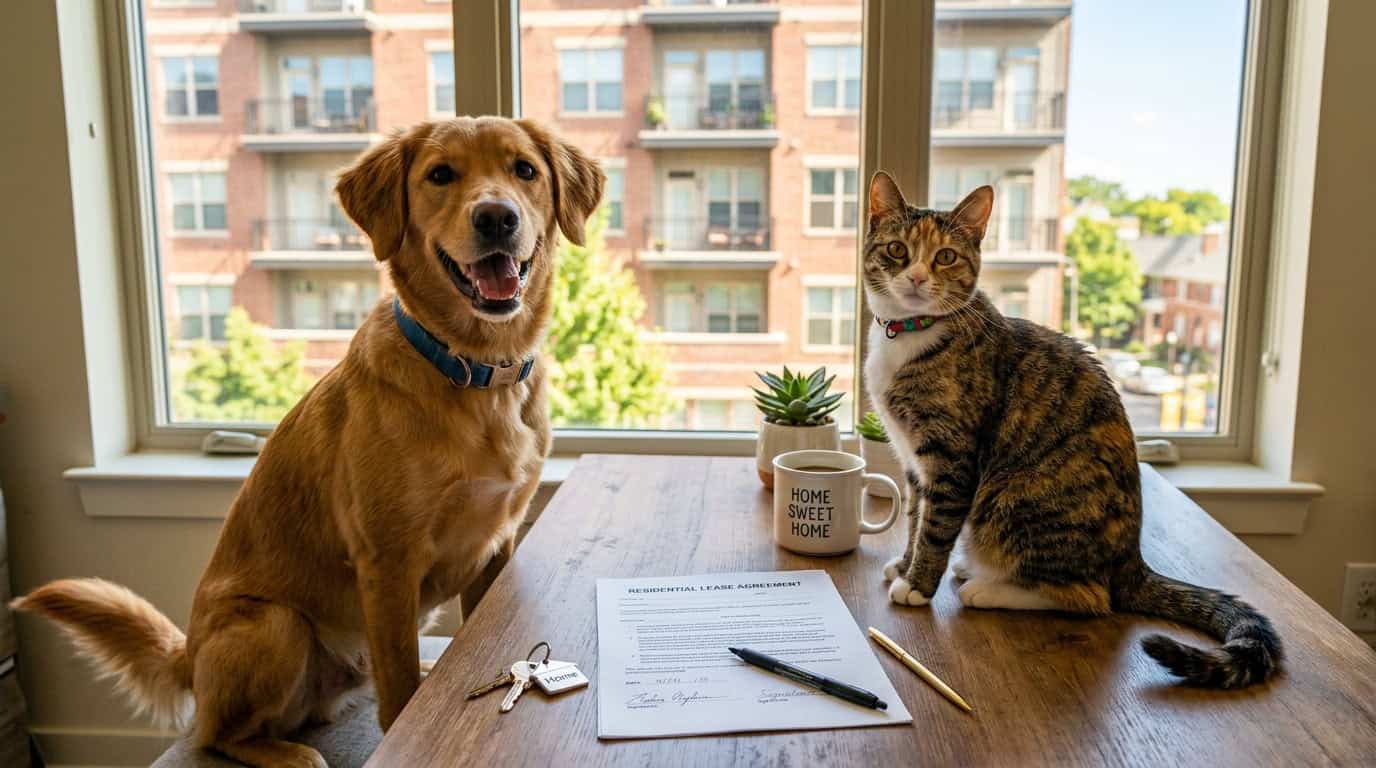
Once a landlord verbally agrees, immediately offer to formalize the arrangement as a pet addendum to your lease. Include pet description, deposit amount, monthly fee, inspection rights, and move-out cleaning obligations. A written agreement protects both parties and prevents future disputes.
22. Propose a Neighbor Introduction
Offer to introduce your dog to any nearby tenants before you move in. This preemptively builds goodwill with the people most likely to file a noise complaint. Landlords love tenants who manage their own relationships.
23. Leverage Social Proof
If the building already has other pet owners, mention it. “I noticed several other tenants have dogs” signals to the landlord that they’ve done this before and it’s worked out. Find this out during your viewing — look for dog gear by doors, pet water bowls in hallways.
24. Follow Up With a Thank-You Note
After your conversation, send a brief, professional email thanking them for their time and reiterating your key commitments. Most landlords are choosing between multiple applicants — a thoughtful follow-up keeps you at the top of their mind and reinforces the professional impression you built.
25. Know When to Walk Away
Some landlords genuinely won’t budge regardless of what you offer, and that’s important information. A landlord who’s inflexible about pets before you sign is often inflexible about everything during your tenancy. Knowing when to redirect your search protects you from a difficult housing situation. There are many pet-friendly apartments out there — find the right fit, not just any available unit.
What If You Have an Assistance Animal?
If your pet is a certified service animal or registered emotional support animal (ESA), the rules are different. Under the Fair Housing Act in the US and comparable legislation in Canada, landlords are required to make reasonable accommodations and cannot apply standard pet policies. This requires proper documentation from a licensed mental health professional or physician.
Note that ESA qualifications have tightened significantly since 2021 — online “ESA certificates” are not sufficient. Genuine need with proper licensed documentation is the correct path. The AKC has reliable guidance on service animal distinctions if you’re navigating this area.
Common Mistakes That Instantly Kill Pet Approval
- Hiding the pet and hoping for the best — almost always ends in eviction notices
- Asking after signing — creates an immediate adversarial dynamic
- Getting defensive when landlords raise concerns — neutralize objections, don’t argue them
- Presenting no documentation — showing up empty-handed signals you haven’t thought this through
- Negotiating via text only — in-person conversations for significant requests like this are always more effective
Quick Reference: Documents to Bring
- ✅ Pet resume (1 page, professional format)
- ✅ Vet reference letter
- ✅ Vaccination records
- ✅ Obedience training certificate
- ✅ Previous landlord reference letter
- ✅ Renter’s insurance declarations page (with pet liability)
- ✅ Written deposit/cleaning commitment offer
Amazon Finds That Help Your Case
These products demonstrate to landlords that you’ve invested in damage prevention and pet management:
- 🛒 Pet stain & odor remover sprays — for immediate spot treatment that prevents permanent damage
- 🛒 Furniture scratch protectors — clear guard panels for baseboards and door frames
- 🛒 Bark control training tools — show you’re actively managing noise
- 🛒 Washable, contained dog beds — reducing fur spread and floor contact
Frequently Asked Questions
Can a landlord legally say no to pets?
In most jurisdictions, yes — landlords can legally prohibit pets unless you have an assistance or emotional support animal with documentation. However, some cities and provinces have tenant protections that limit blanket pet bans. Always research your local residential tenancy laws before negotiating.
What should I include in a pet resume?
A pet resume should include your pet’s name, breed, age, weight, vaccination records, spay/neuter status, training certifications, vet contact info, and a reference from a previous landlord or neighbor if available. Keep it to one page and format it professionally.
Should I offer extra pet deposit upfront?
Yes. Proactively offering a refundable pet deposit (typically one month’s rent or a set amount) removes financial risk from the landlord’s perspective and significantly improves your chances of approval. Offering before being asked signals confidence and responsibility.
Does pet insurance help convince landlords?
Yes. Showing proof of pet liability insurance reassures landlords that any accidental damage or incidents are financially covered, making your application considerably stronger.
What breeds are hardest to get approved?
Breeds often restricted include Pit Bulls, Rottweilers, German Shepherds, and Dobermans due to insurance liability clauses. Large dogs over 40 lbs are also frequently denied. Smaller, quieter breeds have the highest approval rates. Check your building’s insurance policy for specific breed exclusions.