
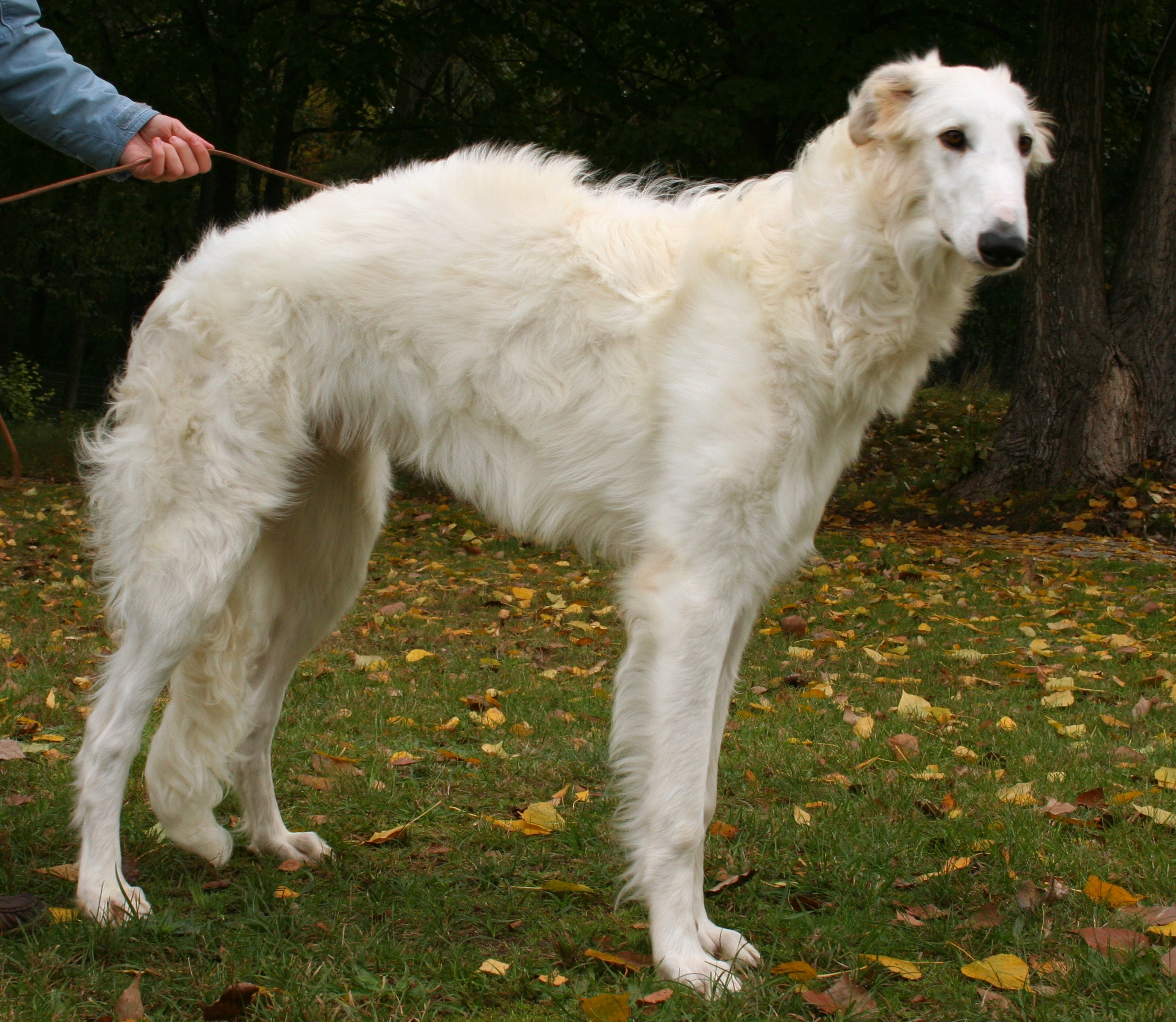
The Borzoi is a beloved Hound breed with roots in Russia. Known for being independent thinkers that require patience, consistency, and experienced handling, this large dog makes a wonderful companion for the right household. With a lifespan of 9-14 years, the Borzoi is a long-term commitment that rewards owners who match their lifestyle to the breed’s needs.
Breed Overview
| Characteristic | Details |
|---|---|
| Group | Hound |
| Size | Large |
| Energy Level | Moderate |
| Shedding | High |
| Grooming Needs | Moderate |
| Trainability | Low |
| Lifespan | 9-14 years |
| Origin | Russia |
Temperament and Personality
As a Hound breed, the Borzoi brings characteristic traits that define its personality. These dogs are independent thinkers that require patience, consistency, and experienced handling, and their moderate energy level means they thrive in homes that can match their activity requirements. Early socialization is key to raising a well-rounded Borzoi that’s confident around new people and environments.
Exercise and Activity Needs
The Borzoi needs 45–60 minutes of daily exercise to stay physically and mentally healthy. Hound breeds like the Borzoi benefit from structured walks, off-leash play, and mentally stimulating activities like puzzle feeders or training sessions. Under-exercised Borzois may develop destructive habits or anxiety. For more inspiration, see our guide to exercise ideas for dogs.
Grooming Requirements
The Borzoi has moderate grooming needs; brush 2–3 times per week to stay tangle-free. Their coat produces heavy shedding; daily brushing is strongly recommended, so having the right tools — a quality slicker brush and deshedding tool — makes a real difference. Regular nail trimming, ear cleaning, and dental care round out a complete grooming routine.
Training Tips
Borzois are independent thinkers that require patience, consistency, and experienced handling. Positive reinforcement methods — treats, praise, and play — work best. Keep sessions short (10–15 minutes) and consistent, starting from puppyhood. Avoid harsh corrections, which can undermine trust with this breed. See also: puppy training tips.
Health Considerations
Large Hound dogs like the Borzoi are typically prone to size-related conditions. Large breeds often face joint health considerations, so maintaining a healthy weight is critical. Regular vet checkups (twice yearly after age 7), appropriate vaccinations, and preventive care for dental disease will help your Borzoi live a full, healthy life of 9-14 years.
Is the Borzoi Right for You?
The Borzoi is an excellent fit for active owners who can provide 45–60 minutes of daily exercise and appreciate heavy shedding; daily brushing is strongly recommended maintenance. They typically great family dogs with children, though their size means supervision is wise with very young kids. If you can match their energy and grooming needs, the Borzoi will reward you with years of loyal companionship. Not sure if your lifestyle fits? Check out our list of best dogs for apartment living for more guidance.
Further Reading
- AKC Official Borzoi Breed Standard
- VCA Animal Hospitals — Dog Breed Health Guides
- signs your dog is happy — Know the signs your dog is thriving
- signs your dog is bored — Catch boredom before it becomes a problem
“`html
Overview & Breed History
The Borzoi, also known as the Russian Wolfhound, boasts a rich history that dates back to the 17th century in Russia. Bred by Russian aristocrats primarily for hunting wolves, the Borzoi combines elegance with athleticism, making it a prized companion for noble families. These dogs were often depicted in art and literature, symbolizing both grace and nobility, and they quickly became a beloved breed beyond their hunting prowess.
Originally, Borzois were used in packs to chase down and capture wolves, showcasing their remarkable speed and agility. Their unique structure—long legs, a narrow head, and a slender body—enables them to run at high speeds, covering vast distances. After the Russian Revolution, the breed faced near extinction, but dedicated breeders revived it, preserving its noble lineage. Today, the Borzoi is celebrated not only for its beauty but also for its gentle temperament, making it a favorite among dog lovers worldwide.
Temperament & Personality Traits
Borzoi are known for their calm and gentle disposition, which makes them excellent companions for families and individuals alike. They tend to be reserved around strangers, exhibiting a dignified demeanor that reflects their noble heritage. However, once they become familiar with new people, they are incredibly affectionate and loving, often forming strong bonds with their owners.
Exercise & Activity Needs
Borzoi are active dogs that require ample exercise to stay healthy and happy. While they enjoy short bursts of intense activity, like sprinting, they also appreciate leisurely walks and playtime in a secure area. Ideally, they should have at least an hour of exercise each day, which can include long walks, runs, or time spent in a safe, fenced yard where they can stretch their legs. Their natural inclination to run means that they thrive in environments where they can safely unleash their energy.
Grooming Requirements
The Borzoi has a beautiful, flowing coat that requires regular grooming to maintain its health and luster. Their long, silky fur can be prone to tangles and mats, especially in areas like the ears, underbelly, and behind the legs. To keep their coat in top condition, it is recommended to brush them at least once a week, or more frequently during shedding seasons, which typically occur in spring and fall.
Common Health Concerns & Lifespan
Borzoi are generally healthy dogs with a lifespan of around 10 to 12 years. However, like all breeds, they are prone to certain health issues. Some common concerns include hip dysplasia, bloat, and certain heart conditions. Regular veterinary check-ups can help catch potential problems early and keep your Borzoi in optimal health.
Training Tips for New Owners
Training a Borzoi requires patience, consistency, and positive reinforcement. Their independent nature can make them appear aloof or stubborn at times, but they are intelligent and eager to please when properly motivated. Start training early with basic commands and socialization to help your Borzoi become a well-rounded companion.
Is This Breed Good for Apartment Living?
While Borzois are large dogs, they can adapt to apartment living if their exercise needs are met. They are relatively calm indoors and do not require excessive space. However, it’s essential to provide them with ample opportunities for exercise outside, as they need to stretch their legs and run. Daily walks and trips to a secure area where they can run freely are crucial for their well-being.
Feeding & Nutrition Basics
Feeding a Borzoi requires attention to their size, age, and activity level. A high-quality dog food formulated for large breeds is recommended to ensure they receive the necessary nutrients for their growth and energy needs. It’s essential to monitor their weight, as Borzois can be prone to obesity if overfed or not exercised adequately.
“`
Frequently Asked Questions
What are the temperament quirks of a Borzoi?
Borzoi are known for their gentle and reserved temperament, often forming strong bonds with their families. They can be aloof with strangers and may exhibit a stubborn streak, making consistent training and socialization essential from a young age.
How often should I groom my Borzoi?
Borzoi have a long, silky coat that requires regular grooming to prevent mats and tangles. It’s recommended to brush them at least once a week, with more frequent grooming during shedding seasons to manage loose fur.
What health issues are common in Borzois?
Borzoi are generally healthy, but they can be prone to certain conditions such as bloat and hip dysplasia. Regular veterinary check-ups and maintaining a healthy diet can help minimize these risks.
What training challenges might I face with a Borzoi?
Training a Borzoi can be challenging due to their independent nature and occasional stubbornness. Positive reinforcement techniques work best, and early socialization is crucial to help them develop good manners and responsiveness.
Are Borzois suitable for apartment living?
While Borzois can adapt to apartment living, they do require regular exercise and space to roam. Daily walks and opportunities to run in a secure area are essential to meet their energy needs and keep them happy.