
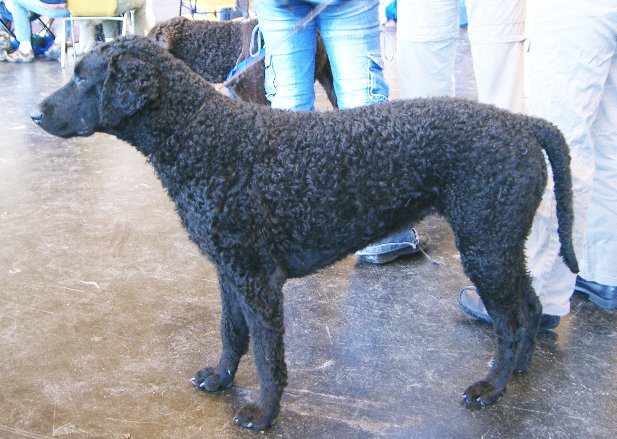
The Curly-Coated Retriever is a beloved Sporting breed with roots in England. Known for being highly responsive to training; they excel in obedience, agility, and trick work, this large dog makes a wonderful companion for the right household. With a lifespan of 10-12 years, the Curly-Coated Retriever is a long-term commitment that rewards owners who match their lifestyle to the breed’s needs.
Breed Overview
| Characteristic | Details |
|---|---|
| Group | Sporting |
| Size | Large |
| Energy Level | High |
| Shedding | Low |
| Grooming Needs | Low |
| Trainability | High |
| Lifespan | 10-12 years |
| Origin | England |
Temperament and Personality
As a Sporting breed, the Curly-Coated Retriever brings characteristic traits that define its personality. These dogs are highly responsive to training; they excel in obedience, agility, and trick work, and their high energy level means they thrive in homes that can match their activity requirements. Early socialization is key to raising a well-rounded Curly-Coated Retriever that’s confident around new people and environments.
Exercise and Activity Needs
The Curly-Coated Retriever needs 60–90 minutes of daily exercise to stay physically and mentally healthy. Sporting breeds like the Curly-Coated Retriever benefit from structured walks, off-leash play, and mentally stimulating activities like puzzle feeders or training sessions. Under-exercised Curly-Coated Retrievers may develop destructive habits or anxiety. For more inspiration, see our guide to exercise ideas for dogs.
Grooming Requirements
The Curly-Coated Retriever has low-maintenance coats requiring only occasional brushing every 1–2 weeks. Their coat produces minimal shedding, making them a good choice for allergy-sensitive households, so having the right tools — a quality slicker brush and deshedding tool — makes a real difference. Regular nail trimming, ear cleaning, and dental care round out a complete grooming routine.
Training Tips
Curly-Coated Retrievers are highly responsive to training; they excel in obedience, agility, and trick work. Positive reinforcement methods — treats, praise, and play — work best. Keep sessions short (10–15 minutes) and consistent, starting from puppyhood. Avoid harsh corrections, which can undermine trust with this breed. See also: puppy training tips.
Health Considerations
Large Sporting dogs like the Curly-Coated Retriever are typically prone to size-related conditions. Large breeds often face joint health considerations, so maintaining a healthy weight is critical. Regular vet checkups (twice yearly after age 7), appropriate vaccinations, and preventive care for dental disease will help your Curly-Coated Retriever live a full, healthy life of 10-12 years.
Is the Curly-Coated Retriever Right for You?
The Curly-Coated Retriever is an excellent fit for active owners who can provide 60–90 minutes of daily exercise and appreciate minimal shedding maintenance. They typically great family dogs with children, though their size means supervision is wise with very young kids. If you can match their energy and grooming needs, the Curly-Coated Retriever will reward you with years of loyal companionship. Not sure if your lifestyle fits? Check out our list of best dogs for apartment living for more guidance.
Further Reading
- AKC Official Curly-Coated Retriever Breed Standard
- VCA Animal Hospitals — Dog Breed Health Guides
- signs your dog is happy — Know the signs your dog is thriving
- signs your dog is bored — Catch boredom before it becomes a problem
Recommended Gear for Curly-Coated Retriever Owners
| Product | Why It Works for Curly-Coated Retrievers |
|---|---|
| Gentle Pin Brush | Lightweight and gentle — perfect for Curly-Coated Retriever’s low-maintenance coat |
| Zuke’s Mini Naturals Training Treats | Small, soft, low-calorie — ideal for reward-based training |
| KONG Classic Dog Toy (Large) | Durable, vet-recommended, keeps Curly-Coated Retrievers mentally stimulated |
| Nina Ottosson Interactive Puzzle Toy | Burns mental energy between walks — great for high-energy Curly-Coated Retrievers |
As an Amazon Associate, Busy Pet Parent earns from qualifying purchases at no extra cost to you.
Frequently Asked Questions
How much does a Curly-Coated Retriever cost?
Expect to pay $800–$2,500 from a reputable breeder. Rescue adoption typically costs $50–$500. Always research breeders carefully and avoid puppy mills.
Are Curly-Coated Retrievers good with children?
The Curly-Coated Retriever typically great family dogs with children, though their size means supervision is wise with very young kids. As with any breed, supervision and early socialization with children are always recommended.
How much exercise does a Curly-Coated Retriever need daily?
The Curly-Coated Retriever needs 60–90 minutes of daily exercise. This can include walks, fetch, swimming, or off-leash play depending on your dog’s individual energy.
Do Curly-Coated Retrievers shed a lot?
Curly-Coated Retrievers have minimal shedding, making them a good choice for allergy-sensitive households. Regular brushing and a good vacuum go a long way toward managing loose fur around the home.
🐾 More From Busy Pet Parent
Living With a Curly Coated Retriever: Day-to-Day Reality
Bringing a Curly Coated Retriever home means adjusting your daily routine around their needs. They thrive on consistency — regular feeding times, predictable walk schedules, and clear household rules reduce anxiety and improve behaviour. Training sessions count toward mental exercise just as much as walks. Stuffed KONG toys and food puzzles are practical daily tools to keep them mentally sharp and physically satisfied.
Choosing a Curly Coated Retriever: Breeder vs. Rescue
A reputable breeder offers health-tested parents, known lineage, and lifetime breeder support — invaluable for breeds where genetic conditions are well-documented. Expect to pay $800–$3,000+ and join a waitlist. Red flags: puppies always available, no health clearances shown, reluctance to let you see the parents. Rescue is an equally valid path; breed-specific rescues often have adult dogs with established temperaments, meaning you skip the hardest puppy months and can better predict adult behaviour.
New Owner Mistakes to Avoid
The most common mistake is inconsistency — rules that apply sometimes but not always create confusion and anxiety. Establish household rules before your Curly Coated Retriever arrives and make sure everyone enforces them the same way. Skipping formal obedience training is another costly error: even a naturally cooperative Curly Coated Retriever benefits from the communication framework training builds. Underestimating the exercise commitment leads to destructive behaviour, excessive barking, and anxiety. And finally, many owners skip pet insurance until after something goes wrong — it’s always worth pricing out before you need it.
Curly Coated Retriever Socialization: Why It Matters More Than Training
Socialization is the single highest-leverage thing you can do in your Curly Coated Retriever’s first four months of life. A well-socialized puppy is confident, adaptable, and friendly — a dog that missed socialization tends to be fearful or reactive and is significantly harder to rehabilitate later. Aim for 100 new experiences before 16 weeks: different people (tall, short, hats, beards, children, elderly), different surfaces (grass, gravel, metal grates, hardwood), different sounds (traffic, thunder, fireworks, children playing), and different animals if possible.
Keep exposures positive — pair each new thing with a high-value treat or praise. You’re not just introducing the world, you’re teaching your Curly Coated Retriever that new things predict good things. Dog classes, pet-friendly stores, and structured puppy playdates are all tools. One caveat: wait until your puppy has at least their second round of vaccines before exposing them to unknown dogs or high-traffic dog areas.
Feeding Your Curly Coated Retriever: Nutrition Basics
Diet quality directly affects energy, coat condition, joint health, and lifespan. Look for foods with a named protein source (chicken, beef, salmon) as the first ingredient, not a meal or by-product. Avoid foods with excessive fillers — corn, wheat, and soy as primary ingredients offer little nutritional value for a carnivore. AAFCO approval on the label means the food meets baseline nutritional standards, but it’s a minimum bar, not a quality guarantee.
Feeding frequency: twice daily works well for most adult Curly Coated Retrievers; puppies under six months generally need three meals. Use a measuring cup rather than estimating — even a 10% daily overfeeding compounds quickly into obesity over months. Fresh water must always be available. If you notice persistent digestive upset, skin issues, or low energy, diet is the first place to investigate before assuming a medical cause.
Setting Up Your Home for a Curly Coated Retriever
Before your Curly Coated Retriever arrives, do a quick dog-proofing sweep. Get down to dog level and look for hazards: loose electrical cords, toxic houseplants (philodendron, pothos, lilies, and sago palm are all dangerous), accessible trash cans, and unsecured cabinet doors. Baby gates are worth having for restricting access to stairs or off-limit rooms during the adjustment period.
Set up a dedicated space for your Curly Coated Retriever before day one: a crate sized to fit them as an adult (with a divider for puppies so they can’t use one end as a bathroom), a bed or mat, water bowl, and a rotation of chew toys. A dog that has a clear, comfortable space of their own settles in significantly faster than one who’s left to roam freely from the start.
Exercise & Mental Stimulation: Getting the Balance Right
Physical exercise and mental stimulation serve different purposes and both are necessary. A Curly Coated Retriever that gets only physical exercise but no mental engagement often becomes frustrated and destructive even when physically tired. Puzzle feeders, sniff walks (letting the dog dictate pace and stop to investigate smells), training sessions, and interactive toys all contribute to mental fatigue in a way that running alone does not.
Conversely, mental stimulation alone isn’t enough — a Curly Coated Retriever with pent-up physical energy will struggle to focus during training. The most effective daily routine combines both: a structured walk or play session in the morning followed by a training session or puzzle feeder, then another walk in the evening. Even 10 minutes of focused training can tire a dog more effectively than 30 minutes of running, particularly for intelligent, working-line breeds.