
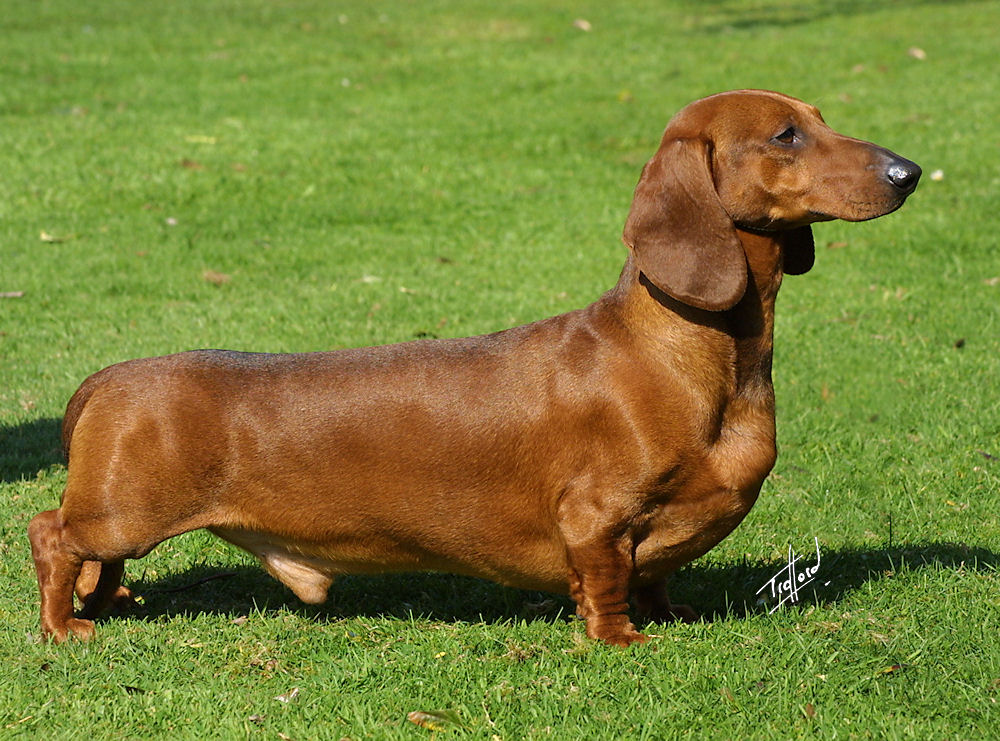
The Dachshund is a beloved Hound breed with roots in Germany. Known for being fairly trainable with positive reinforcement and regular short sessions, this small dog makes a wonderful companion for the right household. With a lifespan of 12-16 years, the Dachshund is a long-term commitment that rewards owners who match their lifestyle to the breed’s needs.
Breed Overview
| Characteristic | Details |
|---|---|
| Group | Hound |
| Size | Small |
| Energy Level | Moderate |
| Shedding | Low-Moderate |
| Grooming Needs | Low |
| Trainability | Moderate |
| Lifespan | 12-16 years |
| Origin | Germany |
Breed History & Origins
The Dachshund — whose name translates to “badger dog” in German — was developed in Germany specifically to hunt badgers and other burrowing animals. Badgers are fierce, tenacious creatures that retreat underground when threatened, and hunters needed a dog brave enough to pursue them into narrow tunnels and either flush or kill them underground. Breeders developed the Dachshund’s distinctive elongated body and short legs over centuries to allow the dog to navigate these tight underground passages — making it one of the few dog breeds literally designed to work below the ground.
The breed exists in two sizes (Standard and Miniature) and three coat varieties (Smooth, Long, and Wirehaired), each developed for slightly different hunting conditions and terrain. Miniature Dachshunds were bred specifically to hunt rabbits and smaller quarry in tighter burrows. The breed became enormously popular in Germany and across Europe in the 19th century — Kaiser Wilhelm II famously kept Dachshunds throughout his life. The AKC registered the first Dachshund in 1885. Despite some anti-German sentiment during both World Wars reducing the breed’s popularity temporarily, Dachshunds have rebounded to become one of the most recognized and beloved breeds worldwide, famous for their bold personality, curious nature, and that unmistakable silhouette.
Temperament and Personality
As a Hound breed, the Dachshund brings characteristic traits that define its personality. These dogs are fairly trainable with positive reinforcement and regular short sessions, and their moderate energy level means they thrive in homes that can match their activity requirements. Early socialization is key to raising a well-rounded Dachshund that’s confident around new people and environments.
Exercise and Activity Needs
The Dachshund needs 45–60 minutes of daily exercise to stay physically and mentally healthy. Hound breeds like the Dachshund benefit from structured walks, off-leash play, and mentally stimulating activities like puzzle feeders or training sessions. Under-exercised Dachshunds may develop destructive habits or anxiety. For more inspiration, see our guide to exercise ideas for dogs.
Grooming Requirements
The Dachshund has low-maintenance coats requiring only occasional brushing every 1–2 weeks. Their coat produces moderate shedding, so having the right tools — a quality slicker brush and deshedding tool — makes a real difference. Regular nail trimming, ear cleaning, and dental care round out a complete grooming routine.
Training Tips
Dachshunds are fairly trainable with positive reinforcement and regular short sessions. Positive reinforcement methods — treats, praise, and play — work best. Keep sessions short (10–15 minutes) and consistent, starting from puppyhood. Avoid harsh corrections, which can undermine trust with this breed. See also: puppy training tips.
Health Considerations
Small Hound dogs like the Dachshund are typically prone to size-related conditions. Small breeds often face joint health considerations, so maintaining a healthy weight is critical. Regular vet checkups (twice yearly after age 7), appropriate vaccinations, and preventive care for dental disease will help your Dachshund live a full, healthy life of 12-16 years.
Dachshunds also face risks of obesity, which dramatically increases the strain on their spine and can accelerate IVDD progression — portion control and regular weight monitoring are essential. Progressive retinal atrophy (PRA) causes gradual vision loss and is found in Dachshunds, particularly in Miniature Long-Haired Dachshunds. Cushing’s disease (hyperadrenocorticism) is more common in Dachshunds than many breeds, typically appearing in middle-aged to older dogs with symptoms of increased drinking, urination, and appetite.
Is the Dachshund Right for You?
The Dachshund is an excellent fit for active owners who can provide 45–60 minutes of daily exercise and appreciate moderate shedding maintenance. They can be good with gentle, older children but may be too delicate for rough play with toddlers. If you can match their energy and grooming needs, the Dachshund will reward you with years of loyal companionship. Not sure if your lifestyle fits? Check out our list of best dogs for apartment living for more guidance.
Living With a Dachshund
Bringing a Dachshund into your home means adapting your lifestyle to meet the breed’s specific needs. Daily routines matter — consistent feeding times, regular exercise, and predictable schedules help dogs feel secure and reduce anxiety-related behaviors. Dachshunds generally thrive with structure and clear expectations.
Socialization during the puppy period (3-14 weeks) is critical for any dog but particularly important for breeds that can develop strong territorial or protective instincts. Exposing puppies to a wide variety of people, animals, sounds, and environments during this window builds confidence and reduces fear-based reactivity later in life.
Mental stimulation is as important as physical exercise for most breeds. Puzzle feeders, training sessions, scent work, and interactive play keep dogs cognitively engaged and reduce boredom-related behaviors like destructive chewing or excessive barking. Even 10-15 minutes of structured mental work can take the edge off an energetic dog significantly more than an equivalent period of physical exercise alone.
Building a strong relationship with your veterinarian before problems arise gives you an important resource. Annual wellness exams allow vets to catch developing health issues early, and a vet who knows your dog’s baseline makes diagnosing subtle changes much easier. Don’t wait for emergencies — regular proactive healthcare is one of the most important investments you can make in your dog’s long-term quality of life.
Dachshund Puppy Care & What to Expect Year One
Dachshund puppies are bold, curious, and often hilariously stubborn — a personality combination that makes training both entertaining and challenging. Their independent hunting-dog temperament means they think for themselves rather than looking to their owner for guidance by default. Positive-reinforcement training works well; harsh corrections tend to shut Dachshunds down or make them more resistant.
Protecting your Dachshund’s spine begins in puppyhood. Stairs, jumping on and off furniture, and rough play can all stress the elongated spine and increase IVDD risk over time. Use ramps or steps to help your Dachshund access furniture safely, and discourage jumping from any height. Keep your puppy lean — obesity dramatically increases spinal pressure and IVDD probability. These habits, established early, can significantly reduce the likelihood of a debilitating back injury later in life.
Dachshunds have a reputation as difficult to housetrain — and that reputation has some basis. Their independent nature means they don’t feel the same urgency to please that some breeds do, and they can be slow to generalize “outside only” rules. Consistent crate training, very frequent outdoor trips (every 1-2 hours for young puppies), and patient, consistent reinforcement of outdoor elimination will eventually produce a reliably housetrained dog.
Dachshund puppies are diggers by nature — their breed purpose involved burrowing into tunnels after game. Provide appropriate outlets: a sandbox or designated digging area in the yard can redirect this behavior while preserving your garden. Indoor Dachshunds often “burrow” under blankets and pillows, a charming behavior that reflects their natural instincts and provides security.
Further Reading
- AKC Official Dachshund Breed Standard
- VCA Animal Hospitals — Dog Breed Health Guides
- signs your dog is happy — Know the signs your dog is thriving
- signs your dog is bored — Catch boredom before it becomes a problem
Recommended Gear for Dachshund Owners
| Product | Why It Works for Dachshunds |
|---|---|
| Gentle Pin Brush | Lightweight and gentle — perfect for Dachshund’s low-maintenance coat |
| Zuke’s Mini Naturals Training Treats | Small, soft, low-calorie — ideal for reward-based training |
| KONG Classic Dog Toy | Durable, vet-recommended, keeps Dachshunds mentally stimulated |
As an Amazon Associate, Busy Pet Parent earns from qualifying purchases at no extra cost to you.
Frequently Asked Questions
What is the temperament of a Dachshund?
Dachshunds are known for their lively and curious nature. They are often playful, affectionate, and can be quite stubborn. They tend to form strong bonds with their owners and can be protective of their family.
How often should I groom my Dachshund?
The grooming frequency for a Dachshund depends on their coat type. Short-haired Dachshunds require minimal grooming, about once a week, while long-haired and wire-haired varieties need more frequent grooming, about two to three times a week, to prevent matting and remove loose hair.
What are common health issues in Dachshunds?
Dachshunds are prone to certain health issues, particularly intervertebral disc disease (IVDD) due to their long spine. Other common concerns include obesity, dental problems, and skin allergies. Regular veterinary check-ups can help monitor these issues.
How much exercise does a Dachshund need?
Dachshunds require moderate exercise, typically about 30 minutes to an hour of activity each day. This can include walks, playtime in a secure area, and mentally stimulating activities to keep them engaged.
Are Dachshunds easy to train?
Dachshunds can be a bit challenging to train due to their independent and sometimes stubborn nature. Positive reinforcement methods work best, and early socialization and consistent training can help them learn commands and good behavior.