
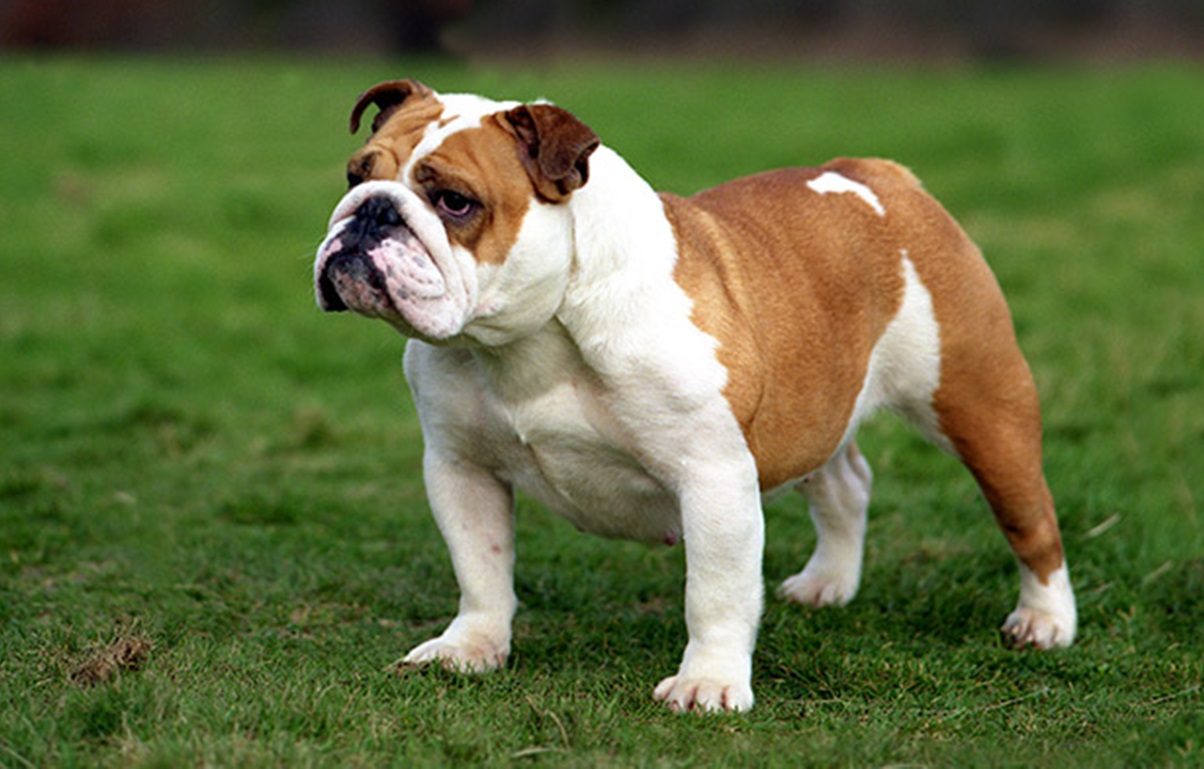
The Bulldog is a beloved Non-Sporting breed with roots in England. Known for being fairly trainable with positive reinforcement and regular short sessions, this medium dog makes a wonderful companion for the right household. With a lifespan of 8-10 years, the Bulldog is a long-term commitment that rewards owners who match their lifestyle to the breed’s needs.
Breed Overview
| Characteristic | Details |
|---|---|
| Group | Non-Sporting |
| Size | Medium |
| Energy Level | Low |
| Shedding | Moderate |
| Grooming Needs | Low |
| Trainability | Moderate |
| Lifespan | 8-10 years |
| Origin | England |
Breed History & Origins
The English Bulldog’s history is a story of dramatic transformation. The breed descended from ancient Mastiff-type dogs and was developed specifically for bull-baiting, a brutal blood sport popular in England from the 13th century until it was outlawed in 1835. Bull-baiting dogs needed to be low to the ground, wide-set, and equipped with a powerful jaw — traits that survive in today’s Bulldog, though the temperament has been completely transformed.
When bull-baiting was banned, many believed the Bulldog would go extinct. Instead, dedicated breeders undertook a systematic effort to preserve the breed while breeding out the ferocity required for blood sports, emphasizing instead the calm, gentle, and affectionate qualities that existed alongside the fighting instinct. The result was a dog that retained the iconic physical appearance — the wrinkled face, pushed-in nose, wide stance, and heavy body — but with a temperament that is docile, loyal, and famously fond of children. The AKC recognized the Bulldog in 1886, and the breed has become one of the most recognizable and beloved in the world, serving as a mascot for universities, sports teams, and countries (most famously, Winston Churchill’s famous demeanor was often compared to the Bulldog).
Temperament and Personality
As a Non-Sporting breed, the Bulldog brings characteristic traits that define its personality. These dogs are fairly trainable with positive reinforcement and regular short sessions, and their low energy level means they thrive in homes that can match their activity requirements. Early socialization is key to raising a well-rounded Bulldog that’s confident around new people and environments.
Exercise and Activity Needs
The Bulldog needs about 30 minutes of daily exercise to stay physically and mentally healthy. Non-Sporting breeds like the Bulldog benefit from structured walks, off-leash play, and mentally stimulating activities like puzzle feeders or training sessions. Under-exercised Bulldogs may develop destructive habits or anxiety. For more inspiration, see our guide to exercise ideas for dogs.
Grooming Requirements
The Bulldog has low-maintenance coats requiring only occasional brushing every 1–2 weeks. Their coat produces moderate shedding year-round, with heavier seasonal blows, so having the right tools — a quality slicker brush and deshedding tool — makes a real difference. Regular nail trimming, ear cleaning, and dental care round out a complete grooming routine.
Training Tips
Bulldogs are fairly trainable with positive reinforcement and regular short sessions. Positive reinforcement methods — treats, praise, and play — work best. Keep sessions short (10–15 minutes) and consistent, starting from puppyhood. Avoid harsh corrections, which can undermine trust with this breed. See also: puppy training tips.
Health Considerations
Medium Non-Sporting dogs like the Bulldog are typically prone to size-related conditions. Medium breeds often face joint health considerations, so maintaining a healthy weight is critical. Regular vet checkups (twice yearly after age 7), appropriate vaccinations, and preventive care for dental disease will help your Bulldog live a full, healthy life of 8-10 years.
English Bulldogs also commonly develop cherry eye (prolapse of the nictitating membrane gland), skin fold dermatitis in facial wrinkles (requiring regular cleaning to prevent infection), and dental crowding due to the shortened jaw. The breed’s flat face means they should never be left in hot cars or exercised in high heat. Many Bulldogs snore loudly — this is normal for the breed, though severe breathing difficulty warrants veterinary evaluation for BOAS.
Is the Bulldog Right for You?
The Bulldog is an excellent fit for active owners who can provide about 30 minutes of daily exercise and appreciate moderate shedding year-round maintenance. They generally good with children of all ages when properly socialized from puppyhood. If you can match their energy and grooming needs, the Bulldog will reward you with years of loyal companionship. Not sure if your lifestyle fits? Check out our list of best dogs for apartment living for more guidance.
Living With a Bulldog
Bringing a Bulldog into your home means adapting your lifestyle to meet the breed’s specific needs. Daily routines matter — consistent feeding times, regular exercise, and predictable schedules help dogs feel secure and reduce anxiety-related behaviors. Bulldogs generally thrive with structure and clear expectations.
Socialization during the puppy period (3-14 weeks) is critical for any dog but particularly important for breeds that can develop strong territorial or protective instincts. Exposing puppies to a wide variety of people, animals, sounds, and environments during this window builds confidence and reduces fear-based reactivity later in life.
Mental stimulation is as important as physical exercise for most breeds. Puzzle feeders, training sessions, scent work, and interactive play keep dogs cognitively engaged and reduce boredom-related behaviors like destructive chewing or excessive barking. Even 10-15 minutes of structured mental work can take the edge off an energetic dog significantly more than an equivalent period of physical exercise alone.
Building a strong relationship with your veterinarian before problems arise gives you an important resource. Annual wellness exams allow vets to catch developing health issues early, and a vet who knows your dog’s baseline makes diagnosing subtle changes much easier. Don’t wait for emergencies — regular proactive healthcare is one of the most important investments you can make in your dog’s long-term quality of life.
Bulldog Puppy Care & What to Expect Year One
English Bulldog puppies are wrinkled, snorting, and instantly endearing — but they come with responsibilities unique to the breed. Wrinkle cleaning should begin from day one. The facial folds can trap moisture, food, and debris, creating a warm, dark environment perfect for bacterial and yeast infections. Wipe wrinkles with a damp cloth or dog-safe wipe daily, paying special attention to the deep fold over the nose, and dry thoroughly afterward.
Heat management is critical for Bulldog puppies and adults alike. Their shortened airways mean they cannot pant efficiently and are at serious risk of heatstroke in warm weather. Never exercise a Bulldog in temperatures above 75°F (24°C) if humidity is high, keep outdoor sessions brief in summer, and ensure access to cool, well-ventilated areas year-round. A cooling mat can be an excellent investment for warm climates.
Bulldogs are not the most trainable breed — their famously stubborn nature can make consistent training a test of patience. Keep training sessions very short (5 minutes maximum), use high-value food rewards, end on a success, and never use harsh corrections. Bulldogs respond to training that feels like a game rather than work. Building a foundation of basic commands pays dividends in a calmer, more manageable adult dog.
Expect your Bulldog to snore, drool, and flatulate — often loudly. These are breed-normal behaviors, not medical problems (unless they suddenly worsen). Many Bulldog owners find these characteristics charming rather than annoying, but they’re worth knowing before committing to the breed. The Bulldog’s profound affection and loyalty more than compensate for their comedic physical quirks.
Further Reading
- AKC Official Bulldog Breed Standard
- VCA Animal Hospitals — Dog Breed Health Guides
- signs your dog is happy — Know the signs your dog is thriving
- signs your dog is bored — Catch boredom before it becomes a problem
Recommended Gear for Bulldog Owners
| Product | Why It Works for Bulldogs |
|---|---|
| Self-Cleaning Slicker Brush | Keeps your Bulldog’s coat tangle-free with minimal effort |
| Zuke’s Mini Naturals Training Treats | Small, soft, low-calorie — ideal for reward-based training |
| KONG Classic Dog Toy | Durable, vet-recommended, keeps Bulldogs mentally stimulated |
As an Amazon Associate, Busy Pet Parent earns from qualifying purchases at no extra cost to you.
Frequently Asked Questions
What is the temperament of Bulldogs?
Bulldogs are known for their gentle and friendly demeanor. They are typically very loyal, affectionate, and good with children, making them great family pets. However, they can also be stubborn, so consistent training is essential.
How often should I groom my Bulldog?
Bulldogs have short coats that require minimal grooming. Brushing once a week is usually sufficient to remove loose hair and reduce shedding. Additionally, regular cleaning of their facial wrinkles is important to prevent skin infections.
What are common health issues in Bulldogs?
Bulldogs are prone to several health issues, including respiratory problems due to their brachycephalic (short-nosed) structure, hip dysplasia, skin infections, and obesity. Regular veterinary check-ups and a healthy diet can help manage these risks.
How much exercise does a Bulldog need?
Bulldogs require moderate exercise, about 30 minutes to 1 hour daily. Short walks and playtime are beneficial, but be cautious not to overexert them, especially in hot or humid weather, as they can easily overheat.
What training methods work best for Bulldogs?
Positive reinforcement techniques work best for training Bulldogs. Use treats, praise, and play to reward good behavior. Consistency and patience are key, as Bulldogs can be stubborn and may require more time to learn commands.