
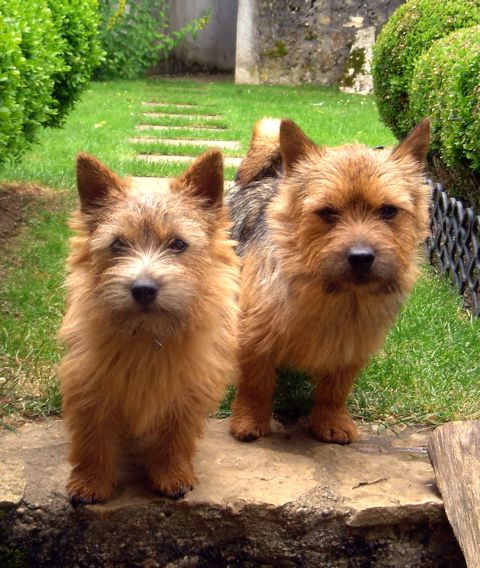
The Norwich Terrier is a beloved Terrier breed with roots in England. Known for being highly responsive to training; they excel in obedience, agility, and trick work, this small dog makes a wonderful companion for the right household. With a lifespan of 12-15 years, the Norwich Terrier is a long-term commitment that rewards owners who match their lifestyle to the breed’s needs.
Breed Overview
| Characteristic | Details |
|---|---|
| Group | Terrier |
| Size | Small |
| Energy Level | High |
| Shedding | Low |
| Grooming Needs | Moderate |
| Trainability | High |
| Lifespan | 12-15 years |
| Origin | England |
Temperament and Personality
As a Terrier breed, the Norwich Terrier brings characteristic traits that define its personality. These dogs are highly responsive to training; they excel in obedience, agility, and trick work, and their high energy level means they thrive in homes that can match their activity requirements. Early socialization is key to raising a well-rounded Norwich Terrier that’s confident around new people and environments.
Exercise and Activity Needs
The Norwich Terrier needs 60–90 minutes of daily exercise to stay physically and mentally healthy. Terrier breeds like the Norwich Terrier benefit from structured walks, off-leash play, and mentally stimulating activities like puzzle feeders or training sessions. Under-exercised Norwich Terriers may develop destructive habits or anxiety. For more inspiration, see our guide to exercise ideas for dogs.
Grooming Requirements
The Norwich Terrier has moderate grooming needs; brush 2–3 times per week to stay tangle-free. Their coat produces minimal shedding, making them a good choice for allergy-sensitive households, so having the right tools — a quality slicker brush and deshedding tool — makes a real difference. Regular nail trimming, ear cleaning, and dental care round out a complete grooming routine.
Training Tips
Norwich Terriers are highly responsive to training; they excel in obedience, agility, and trick work. Positive reinforcement methods — treats, praise, and play — work best. Keep sessions short (10–15 minutes) and consistent, starting from puppyhood. Avoid harsh corrections, which can undermine trust with this breed. See also: puppy training tips.
Health Considerations
Small Terrier dogs like the Norwich Terrier are typically prone to size-related conditions. Small breeds often face joint health considerations, so maintaining a healthy weight is critical. Regular vet checkups (twice yearly after age 7), appropriate vaccinations, and preventive care for dental disease will help your Norwich Terrier live a full, healthy life of 12-15 years.
Is the Norwich Terrier Right for You?
The Norwich Terrier is an excellent fit for active owners who can provide 60–90 minutes of daily exercise and appreciate minimal shedding maintenance. They can be good with gentle, older children but may be too delicate for rough play with toddlers. If you can match their energy and grooming needs, the Norwich Terrier will reward you with years of loyal companionship. Not sure if your lifestyle fits? Check out our list of best dogs for apartment living for more guidance.
Further Reading
- AKC Official Norwich Terrier Breed Standard
- VCA Animal Hospitals — Dog Breed Health Guides
- signs your dog is happy — Know the signs your dog is thriving
- signs your dog is bored — Catch boredom before it becomes a problem
“`html
Overview & Breed History
The Norwich Terrier is a small but robust breed that originated in the early 19th century in East Anglia, England. Originally bred to hunt vermin, particularly rats and mice, these spirited little dogs were valued for their tenacity and agility. The breed’s name is derived from the city of Norwich, where they gained popularity among local farmers and workers. Over time, Norwich Terriers were recognized for their charming personalities and adaptability, which contributed to their rise as cherished companion animals.
Norwich Terriers were once categorized alongside the Norfolk Terrier, but in 1932, they were officially separated based on ear shape; the Norwich has erect ears, while the Norfolk’s ears are drop-shaped. This distinction has helped maintain the breed’s unique characteristics. Today, they are celebrated not only for their hunting prowess but also for their loving nature, making them a popular choice for families and individuals alike.
Temperament & Personality Traits
Norwich Terriers are known for their spirited and affectionate nature. They are lively, intelligent, and eager to please, making them relatively easy to train. Their playful attitude often translates into a love for interactive games, and they thrive on human companionship. These dogs are naturally curious and alert, which makes them excellent watchdogs despite their small size.
Exercise & Activity Needs
Norwich Terriers are energetic dogs that require regular exercise to keep them physically and mentally stimulated. A daily routine of at least 30 to 60 minutes of exercise is recommended. This can include brisk walks, play sessions in the yard, or engaging activities like fetch or agility training. Their playful demeanor makes them well-suited for games that challenge their agility and intelligence.
In addition to physical activity, mental stimulation is equally important. Puzzle toys, obedience training, and interactive games can keep their minds sharp and help prevent boredom-related behaviors. Norwich Terriers are adaptable and can thrive in various living situations, but they should not be left alone for extended periods, as they crave companionship and interaction.
Grooming Requirements
The grooming needs of a Norwich Terrier are relatively straightforward but should not be overlooked. They have a wiry coat that requires regular brushing, ideally once a week, to prevent mats and tangles. This brushing also helps to remove loose hair and promotes healthy skin. Additionally, Norwich Terriers benefit from occasional hand-stripping, a grooming technique that involves plucking out dead hair to maintain the coat’s texture and appearance.
Bathing should be done as needed, usually every few months or when they become particularly dirty. Regular ear cleaning, nail trimming, and dental care are also essential components of their grooming regimen. Overall, maintaining a consistent grooming schedule will enhance not only their appearance but also their overall health and comfort.
Common Health Concerns & Lifespan
Norwich Terriers are generally healthy dogs, with a lifespan of around 12 to 15 years. However, like all breeds, they can be predisposed to certain health issues. Some common health concerns include hip dysplasia, patellar luxation, and certain eye conditions like cataracts. Regular veterinary check-ups are important to catch any potential health issues early.
Additionally, responsible breeding practices can significantly reduce the risk of genetic disorders. Prospective dog owners should seek reputable breeders who conduct health screenings and provide health clearances for their breeding stock. By maintaining a healthy lifestyle and routine veterinary care, Norwich Terrier owners can help ensure their furry companions lead long and healthy lives.
Training Tips for New Owners
Training a Norwich Terrier can be a rewarding experience due to their intelligence and eagerness to please. Start with basic obedience training and socialization as early as possible. Positive reinforcement techniques, such as treats and praise, work best with this breed, as they respond well to encouragement rather than harsh corrections. Short, fun training sessions will keep their attention and make learning enjoyable.
Socialization is crucial for Norwich Terriers to ensure they grow into well-adjusted adults. Expose them to various environments, people, and other pets from a young age. Consider enrolling in puppy classes or group training sessions to enhance their social skills. Consistency and patience are key; these dogs thrive on structure, so establishing a regular routine can help reinforce training efforts and build a strong bond between you and your pet.
Is This Breed Good for Apartment Living?
Yes, Norwich Terriers can adapt well to apartment living, provided they receive adequate exercise and mental stimulation. Their small size makes them suitable for living in smaller spaces, but they do require daily physical activity to keep them happy and healthy. Regular walks and playtime are essential to prevent boredom and ensure they remain well-balanced.
While they can thrive in apartments, it’s essential to provide them with enough opportunities to socialize and explore their surroundings. Consider frequent visits to dog parks or engaging in activities that allow them to interact with other dogs and people. With proper care and attention, a Norwich Terrier can be a wonderful companion in an apartment setting.
Feeding & Nutrition Basics
Feeding a Norwich Terrier requires careful attention to their dietary needs. A high-quality, balanced dog food formulated for small breeds is advisable to meet their nutritional requirements. Look for options that list meat as the primary ingredient and avoid foods with fillers like corn and soy. The specific amount of food will depend on their age, size, and activity level, so consult your veterinarian for personalized recommendations.
Typically, adult Norwich Terriers do well on two meals a day to prevent overeating and obesity, which can lead to health issues. Treats can be a valuable training tool, but should be given in moderation to avoid weight gain. Always ensure fresh water is available, and monitor their weight regularly to adjust food portions as needed. Proper nutrition is essential for maintaining their energy levels and overall health.
“`
Frequently Asked Questions
What are the key temperament quirks of Norwich Terriers?
Norwich Terriers are known for their lively and affectionate nature. They can be quite independent and may exhibit a mischievous streak, often getting into trouble if not properly supervised. Their friendly demeanor makes them great companions, but they may also have a strong prey drive.
What grooming needs do Norwich Terriers have?
Norwich Terriers have a wiry double coat that requires regular grooming to prevent matting and reduce shedding. Brush them at least once a week and consider professional grooming every few months to maintain their coat’s texture and health.
What are common health issues associated with Norwich Terriers?
Norwich Terriers can be prone to certain health issues such as hip dysplasia, patellar luxation, and certain eye conditions like cataracts. Regular veterinary check-ups and a healthy diet can help mitigate these risks and ensure a long, healthy life.
What training challenges might I face with a Norwich Terrier?
Norwich Terriers are intelligent but can be stubborn, which may pose challenges during training. Consistent, positive reinforcement methods are recommended, as they respond best to patience and encouragement rather than harsh discipline.
Are Norwich Terriers suitable for apartment living?
Yes, Norwich Terriers can adapt well to apartment living as long as they receive adequate exercise and mental stimulation. Daily walks and playtime are essential to keep them happy and prevent boredom-related behaviors.