
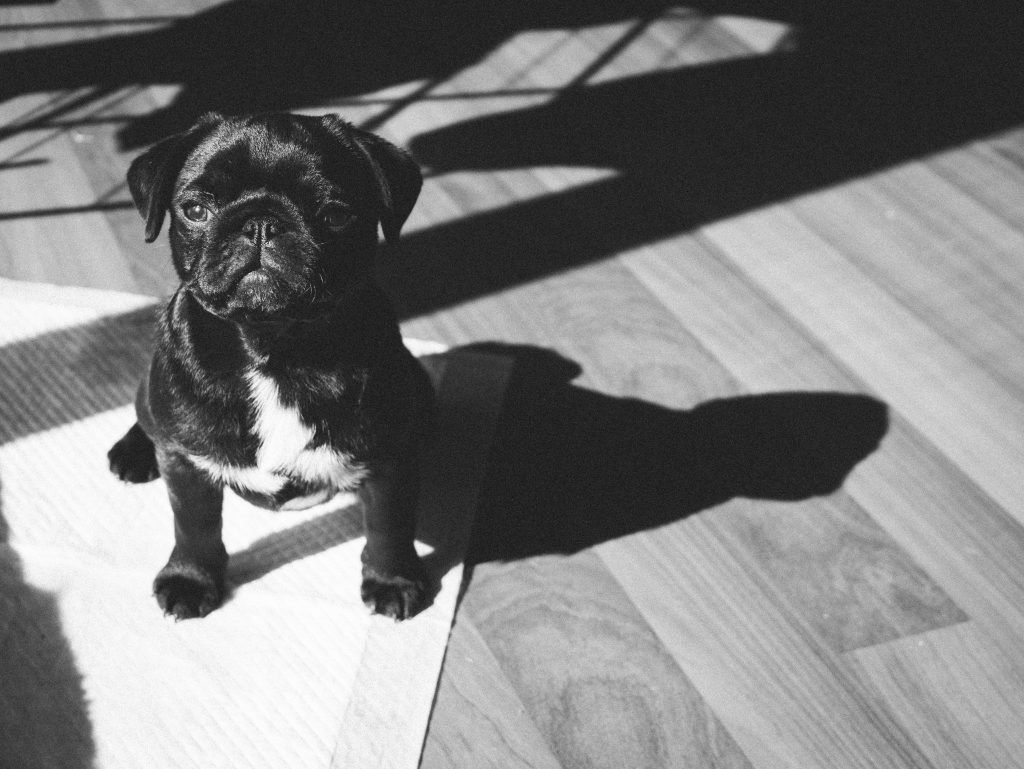
Potty Training Tips for Apartment Dogs (Even Without a Backyard)
Potty training can feel simple in theory: take your dog outside, reward success, repeat. But in an apartment—especially without a backyard—everything gets harder. You have elevators, stairs, slow door exits, unpredictable distractions, and longer trips outside that make timing mistakes more costly.
If you’re feeling like you’re “behind” or doing something wrong, you’re not. Most apartment owners are working with extra obstacles that people with yards never have to think about. The good news is that apartment potty training isn’t about luck—it’s about structure. When timing, supervision, and routine are set up correctly, your dog learns faster and accidents drop dramatically.
This guide is built specifically for apartment living. You’ll find clear Potty Training Tips for Apartment Dogs that help you prevent accidents before they happen, build a predictable bathroom schedule, and stay consistent even when your day is busy or the weather is awful.
And if you’ve already had setbacks—accidents, regression, or a puppy who seems to “forget” everything the moment you’re not watching—that’s normal too. Potty training is rarely a straight line. The goal is to make the environment so consistent that your dog can’t help but succeed.
The Apartment Potty Training Framework That Actually Works
Once the biggest causes of failure are addressed, potty training becomes much more predictable. Successful apartment potty training isn’t about watching your dog constantly or hoping they give you a signal—it’s about using a simple framework that removes guesswork.
This framework has three parts: timing, supervision, and setup. When these work together, your dog gets consistent feedback, fewer chances to make mistakes, and a clearer understanding of where bathroom behavior belongs.
1) Timing beats signals every time
In apartments, waiting for your dog to “tell you” they need to go is unreliable. Many dogs don’t show obvious signs until it’s too late—especially puppies or newly adopted dogs. A schedule removes that uncertainty.
Take your dog out at predictable intervals: first thing in the morning, after eating, after play, after naps, and before bedtime. As your dog succeeds consistently, you can slowly extend the time between trips.
2) Supervision prevents “practice accidents”
Every accident your dog has indoors reinforces the wrong habit. Supervision doesn’t mean staring at your dog all day—it means controlling access. If you can’t actively watch your dog, they should be in a crate, pen, or small gated area.
This is why crate training pairs so well with potty training in apartments. It limits mistakes while your dog learns bladder control and routine: 15 Effective Tips for Crate Training Apartment Dogs .
3) Setup removes friction from every trip outside
Potty training fails faster when going outside feels complicated. The more steps between your dog and the door, the more likely accidents become. Your setup should make leaving the apartment almost automatic.
Keep the leash by the door, use slip-on shoes, and choose the same exit and potty spot every time. Consistency helps your dog connect the routine with the behavior you want—even if elevators, stairs, or long hallways are involved.
Once timing, supervision, and setup are in place, potty training stops feeling reactive. In the next section, we’ll focus on how to handle potty training without a backyard—including how to manage longer trips outside without creating setbacks.

The 3 Biggest Reasons Apartment Potty Training Fails (And How to Fix Them)
Most potty training problems in apartments come down to predictable patterns—not “stubborn” dogs. When owners apply the same approach that works in a house with a backyard, they often run into timing issues that feel impossible to solve. These are the three biggest causes of setbacks, and the fixes that work specifically for apartment life.
1) The time gap between “I need to go” and getting outside is too long
In a house, you can open a back door in seconds. In an apartment, you may need shoes, a leash, keys, an elevator ride, and a long hallway before your dog ever reaches a potty spot. That delay causes accidents even when you’re doing everything “right.”
Fix: Assume you always have less time than you think. Get ahead of the urge by using a schedule, not signals. Make your exit routine fast and predictable: leash stored by the door, shoes ready, and fewer steps between your dog and the outside.
2) Too much freedom too soon
Puppies and newly adopted dogs don’t automatically understand “inside is not a bathroom.” If your dog has access to the whole apartment, they will eventually pick a low-traffic corner and use it. Every accident that goes unnoticed trains the wrong habit.
Fix: Supervision and confinement are your best tools. Use a crate, playpen, or a small gated area so your dog is either actively supervised or safely contained. This is why crate training is often the fastest way to reduce accidents in apartments: 15 Effective Tips for Crate Training Apartment Dogs .
3) Inconsistent rewards and unclear “success” moments
Dogs learn through immediate feedback. If you reward too late (after you’re back inside) or you forget to reward sometimes, your dog won’t connect the dots. In apartment potty training, that clarity matters even more because outdoor trips take longer and happen less “spontaneously.”
Fix: Reward the moment your dog finishes outside—every time in the early stages. Keep treats accessible (pocket, treat pouch, or a container by the leash). Consistency builds the habit faster than anything else.
Once these three issues are addressed, potty training becomes far more predictable. Next, we’ll build the simple apartment-friendly framework that makes these Potty Training Tips for Apartment Dogs actually work day to day.
The Apartment Potty Training Framework That Actually Works
Once the biggest causes of failure are addressed, potty training becomes much more predictable. Successful apartment potty training isn’t about watching your dog constantly or hoping they give you a signal—it’s about using a simple framework that removes guesswork.
This framework has three parts: timing, supervision, and setup. When these work together, your dog gets consistent feedback, fewer chances to make mistakes, and a clearer understanding of where bathroom behavior belongs.
1) Timing beats signals every time
In apartments, waiting for your dog to “tell you” they need to go is unreliable. Many dogs don’t show obvious signs until it’s too late—especially puppies or newly adopted dogs. A schedule removes that uncertainty.
Take your dog out at predictable intervals: first thing in the morning, after eating, after play, after naps, and before bedtime. As your dog succeeds consistently, you can slowly extend the time between trips.
2) Supervision prevents “practice accidents”
Every accident your dog has indoors reinforces the wrong habit. Supervision doesn’t mean staring at your dog all day—it means controlling access. If you can’t actively watch your dog, they should be in a crate, pen, or small gated area.
This is why crate training pairs so well with potty training in apartments. It limits mistakes while your dog learns bladder control and routine: 15 Effective Tips for Crate Training Apartment Dogs .
3) Setup removes friction from every trip outside
Potty training fails faster when going outside feels complicated. The more steps between your dog and the door, the more likely accidents become. Your setup should make leaving the apartment almost automatic.
Keep the leash by the door, use slip-on shoes, and choose the same exit and potty spot every time. Consistency helps your dog connect the routine with the behavior you want—even if elevators, stairs, or long hallways are involved.
Once timing, supervision, and setup are in place, potty training stops feeling reactive. In the next section, we’ll focus on how to handle potty training without a backyard—including how to manage longer trips outside without creating setbacks.
How to Potty Train an Apartment Dog Without a Backyard
Potty training without a backyard adds one major challenge: distance. When your dog has to wait through hallways, stairs, or elevators before reaching a bathroom spot, the margin for error gets smaller. The goal isn’t to rush—it’s to make the process predictable.
Dogs learn fastest when the environment stays consistent. That’s especially important when outdoor access isn’t immediate. By controlling where and how your dog goes potty, you make it easier for them to understand what’s expected.
Choose one designated potty area and stick to it
Pick a specific outdoor spot—ideally close to your building—and use it every time. Even if the area isn’t perfect, consistency matters more than convenience. Repeating the same location helps your dog associate that place with bathroom behavior.
Use the leash every time in the early stages
Letting your dog wander freely during potty trips can slow learning. A leash keeps your dog focused and prevents them from turning bathroom breaks into play sessions. Once potty habits are solid, you can allow more freedom.
Treat every successful trip like a training session
Reward immediately after your dog finishes going outside—not after you return indoors. This timing is critical. Immediate rewards help your dog understand exactly which behavior earned the praise.
The American Kennel Club reinforces this approach by emphasizing consistency and immediate reinforcement during potty training: How to Potty Train a Puppy .
Expect setbacks during growth or schedule changes
Puppies experience natural changes in bladder control as they grow. Adult dogs may regress temporarily after moving, schedule shifts, or stressful events. These setbacks don’t mean training failed—they mean you need to tighten the routine again for a short time.
In the next section, we’ll cover how to handle accidents calmly and correctly—without creating fear or confusion that slows progress.
How to Handle Accidents Without Ruining Progress
Accidents are part of the process—especially in apartments where timing is tighter. What matters most isn’t that an accident happened, but how you respond afterward. The wrong reaction can slow learning, while the right one keeps progress moving forward.
Stay neutral in the moment
If you catch your dog in the act, interrupt calmly and take them outside immediately. Avoid scolding, yelling, or showing frustration. Strong reactions can make dogs anxious about going in front of you—leading to hidden accidents rather than fewer ones.
Clean thoroughly to remove scent cues
Dogs are far more likely to repeat accidents in areas that smell like a bathroom. Use an enzymatic cleaner to fully break down odor markers. Regular household cleaners often mask smells to humans while leaving scent cues dogs can still detect.
Adjust the system, not the dog
After an accident, look for the breakdown: Was the time between trips too long? Did your dog have too much freedom? Was the exit routine slower than usual? Fixing the system prevents repeat mistakes far more effectively than correcting your dog.
Tighten supervision temporarily
One accident often means it’s time to briefly return to closer supervision or confinement. This isn’t a setback—it’s a reset. Most dogs regain consistency quickly when structure is reintroduced for a few days.
When accidents are handled calmly and predictably, dogs stay confident and learning continues. In the final section, we’ll wrap everything together and answer the most common apartment potty training questions.
Final Thoughts
Potty training in an apartment can feel overwhelming at first, especially without the convenience of a backyard. But when structure replaces guesswork, progress becomes much more predictable. The most effective Potty Training Tips for Apartment Dogs aren’t about perfection—they’re about consistency, supervision, and making the environment work in your favor.
If setbacks happen, treat them as information rather than failure. Tighten the routine, reduce freedom temporarily, and keep reinforcing successes. Over time, these small adjustments add up to a dog who understands exactly where—and when—potty behavior belongs.
With patience and a clear system, even apartment dogs without backyards can become reliably house-trained and confident in their routines.
Frequently Asked Questions
How long does potty training take for apartment dogs?
Most dogs show significant improvement within a few weeks when a consistent routine is followed. Full reliability can take several months, especially for puppies or newly adopted dogs adjusting to apartment life.
Are pee pads a good idea for apartment potty training?
Pee pads can be helpful short-term or for specific situations, but they can also slow outdoor potty training if used long-term. If you use them, treat them as a temporary tool rather than a permanent solution.
What if my dog has accidents overnight?
Overnight accidents often mean the last potty trip is too early or freedom is too high. Try a later final outing and ensure your dog sleeps in a confined area that discourages soiling.
Should I wake my puppy up at night to go potty?
Very young puppies may need one overnight potty break early in training. As bladder control improves, these breaks can be gradually phased out.
What if my apartment building makes potty training harder?
Elevators, long hallways, and limited green space are common challenges. Focus on consistency, quick exits, and predictable potty spots. Dogs adapt well when routines stay clear—even in less-than-ideal environments.

Join the Busy Pet Parent
Newsletter!
Get easy routines, time-saving tips, and the latest gear reviews—delivered straight to your inbox.
Perfect for busy pet owners, apartment dwellers, and anyone who wants a happy, healthy companion (without the stress).
- Exclusive guides & checklists
- Product recommendations & deals
- No spam—unsubscribe anytime!
More Articles You Might Like
The Ultimate Guide to Pet Odor Control in Apartments
Read more
15 Smart Hamster Apartment Setup Tips (Quiet Wheel, Escape-Proof Guide)
Read more
The Ultimate Guide to Dog Enrichment: Keep Your Pup Happy, Healthy, and Mentally Stimulated
Read more

10 Genius Dog Crate Alternatives for Apartments That Actually Work
Read more