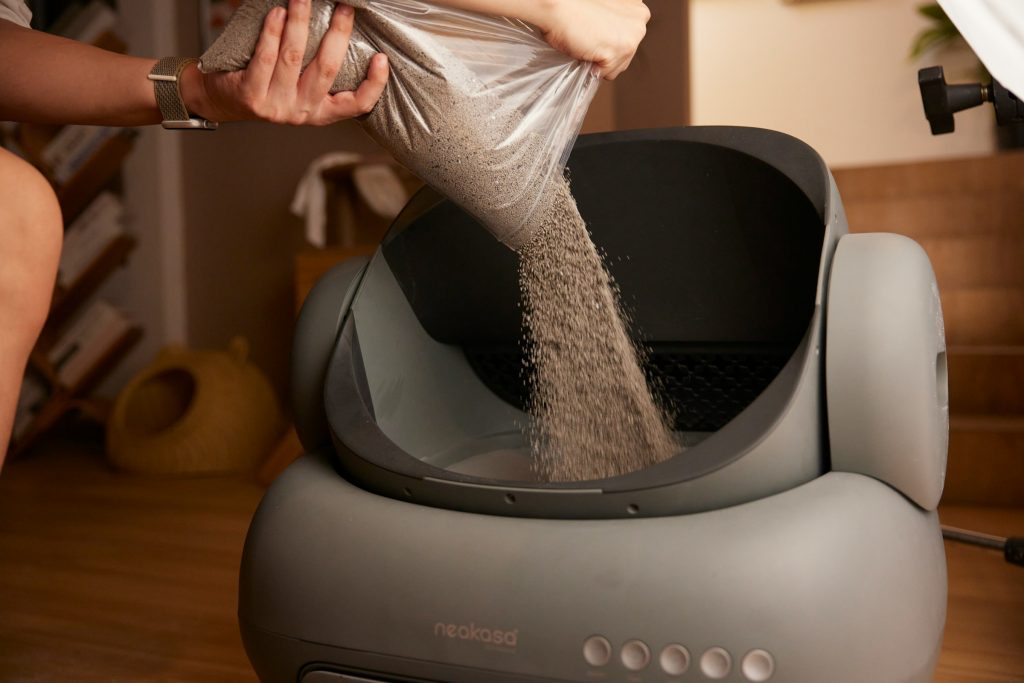

The Best Smart Pet Gadgets That Actually Make Life Easier
Smart pet gadgets promise convenience, peace of mind, and better care for our pets — but not all of them actually deliver. Some genuinely make day-to-day life easier, while others end up unused in a drawer after the novelty wears off.
If you’ve ever wondered which smart pet gadgets are truly worth it — especially in an apartment, busy household, or small living space — this guide is designed to give you clear, practical answers without hype or sales pressure.
Technology has changed the way we work, communicate, and manage our homes. It’s also changing how we feed, monitor, train, and care for pets. When used thoughtfully, smart pet gadgets can reduce stress, create better routines, and help owners stay connected to their pets even when they’re not home.
That said, smart tech is not a replacement for training, supervision, or basic care. The goal of this pillar guide is to show where technology genuinely helps — and where it doesn’t — so you can make informed choices based on your lifestyle, not marketing claims.
What This Guide Covers (and Who It’s For)
This is not a short “top 5 gadgets” list. This is a long-form, practical breakdown of smart pet gadgets based on real problems pet owners face every day.
This guide is especially useful if you:
- Live in an apartment or small home
- Have a busy or inconsistent schedule
- Want better feeding, monitoring, or routine support
- Are overwhelmed by the number of pet tech products on the market
- Care more about long-term usefulness than novelty
Throughout this guide, we’ll focus on how smart pet gadgets fit into real homes and real routines — including where they can reduce friction, where they can cause new problems, and how to choose the right category of tech for your situation.
A Quick Note on Expectations
Smart pet gadgets work best when they support good habits rather than replace them. Automatic feeders won’t fix inconsistent routines, cameras won’t solve separation anxiety on their own, and training tech still requires time and patience.
Used correctly, however, the right smart pet gadgets can:
- Reduce daily mental load for busy pet parents
- Create more consistent schedules
- Provide reassurance when you’re away
- Help manage common apartment challenges
- Support safer, more predictable environments
In the next section, we’ll start by breaking down what smart pet gadgets actually are — and how to separate genuinely helpful technology from gimmicks designed to grab attention.
What Smart Pet Gadgets Actually Are (and What They Aren’t)
Before diving into specific categories, it’s important to clarify what we actually mean by smart pet gadgets. The term gets used loosely, and not every product labeled “smart” provides real value.
At their core, smart pet gadgets are tools that use automation, connectivity, or data to support daily pet care. The best ones reduce friction, improve consistency, or provide useful insight that would otherwise be difficult to get.
What qualifies as a smart pet gadget?
A product generally qualifies as a smart pet gadget if it does at least one of the following:
- Automates a recurring task (feeding, watering, scheduling)
- Connects to an app or network for remote access
- Collects or displays useful data over time
- Responds dynamically to pet behavior or routines
Examples include automatic feeders with scheduling controls, pet cameras with motion alerts, GPS trackers, and app-controlled enrichment toys. These devices are designed to integrate into daily life rather than require constant manual input.
What smart pet gadgets are not
Not every tech-enabled product deserves the “smart” label. Many items rely on novelty rather than long-term usefulness. Others add unnecessary complexity without solving a real problem.
Common red flags include:
- Products that require constant app interaction to function
- Devices that create more alerts than actionable insight
- “Smart” features added without improving reliability
- Tools that promise behavior change without training
A camera that lets you check in occasionally can be helpful. A camera that sends dozens of false alerts a day often gets turned off. The difference isn’t intelligence — it’s thoughtful design.
Automation vs connection vs insight
Most smart pet gadgets fall into one of three functional roles:
- Automation: handling tasks on a schedule so you don’t have to
- Connection: letting you see, hear, or interact remotely
- Insight: revealing patterns you might otherwise miss
The most effective gadgets usually focus on one role and do it well. Products that try to do everything often do nothing particularly well.
Why context matters more than features
Whether a smart pet gadget is useful depends heavily on your living situation, schedule, and pet’s needs. A feeder that’s perfect for a busy apartment owner may be unnecessary for someone home all day. A camera may help one dog owner feel calmer while making another dog more anxious.
That’s why this guide focuses on categories and use cases rather than brand comparisons. Understanding why a gadget helps is more valuable than knowing which model is trending.
In the next section, we’ll explore one of the most common and genuinely useful categories of smart pet gadgets: feeding and hydration systems — where automation can make a real difference when done right.

Smart Feeding & Hydration Systems: When Automation Helps (and When It Doesn’t)
Feeding and watering are where smart pet gadgets often provide the most immediate, tangible benefits. Done well, automation can reduce daily stress, support consistent routines, and help prevent missed meals — especially in busy households or apartment settings.
Done poorly, however, feeding tech can introduce new problems: overfeeding, food anxiety, mechanical failures, or a false sense of security. Understanding when smart feeding systems help — and when they don’t — is critical.
Automatic feeders: structure, not shortcuts
Automatic feeders are one of the most common smart pet gadgets on the market. Their biggest advantage isn’t convenience — it’s consistency. Dogs and cats thrive on predictable routines, and scheduled feeding can help regulate appetite, digestion, and behavior.
For apartment dwellers, automatic feeders can also reduce noise-related behaviors. Pets who know exactly when meals arrive are less likely to pace, whine, or bark in anticipation.
That said, feeders should never replace observation. Portion sizes still need to be measured carefully, and changes in eating habits can be an early sign of health issues that automation alone won’t catch.
Smart hydration systems and fountains
Smart water fountains and monitored hydration systems are increasingly popular, particularly for cats and small dogs. These devices often track refill frequency or alert owners when water levels are low.
In small spaces, hydration gadgets help ensure water access remains clean and consistent — but they still require regular cleaning. A “smart” fountain that isn’t maintained can become a hygiene issue rather than a benefit.
Timed feeding vs on-demand access
One important decision with feeding-related smart pet gadgets is whether to use scheduled meals or on-demand dispensing. Timed feeding supports routine and portion control, while on-demand systems can increase anxiety in pets prone to obsessing over food.
In many apartments, timed feeding works better because it reduces constant food-related anticipation. This is especially helpful for dogs that struggle with restlessness or vocalization.
When smart feeding systems are not worth it
Feeding automation isn’t always the right choice. Households with multiple pets who eat different diets, pets with medical feeding needs, or dogs that require supervised meals may find these gadgets more frustrating than helpful.
Smart pet gadgets should simplify care, not complicate it. If a feeding system requires constant troubleshooting or creates new behavior problems, it’s not serving its purpose.
In the next section, we’ll move beyond feeding into monitoring and peace-of-mind tools — including cameras and sensors — and examine how smart pet gadgets can help you stay connected without increasing anxiety.
Monitoring, Cameras & Peace-of-Mind Tech: Helpful or Harmful?
Monitoring tools are some of the most emotionally charged smart pet gadgets. For some owners, they offer reassurance and clarity. For others, they increase anxiety and create the urge to intervene constantly. Understanding how — and when — to use monitoring tech makes all the difference.
Cameras, motion sensors, and activity alerts can be powerful tools when they provide useful insight. They become a problem when they encourage overchecking or reinforce stress for either the pet or the owner.
Pet cameras: observation vs interference
Pet cameras are among the most common smart pet gadgets, especially for apartment dwellers. Used passively, they help you understand your pet’s behavior when you’re away — how much they rest, when they move around, and whether any issues actually occur.
Problems arise when cameras turn into constant communication devices. Repeatedly talking through two-way audio or reacting to every movement can confuse pets and increase distress rather than reduce it.
Cameras are most effective when used to gather information, not manage behavior in real time.
Motion alerts and noise notifications
Motion alerts and sound detection can help identify patterns — such as pacing, barking, or restlessness — that might otherwise go unnoticed. This insight can be valuable when adjusting routines or identifying triggers.
However, alerts should be configured thoughtfully. Excessive notifications often lead to alert fatigue, causing owners to either ignore important signals or feel compelled to check constantly.
In apartments, where outside noise is common, fine-tuning sensitivity settings is essential to avoid false alarms.
Cameras and separation anxiety
Monitoring tech is often marketed as a solution for anxiety, but it’s not always beneficial for pets struggling with emotional distress. For dogs experiencing anxiety, hearing their owner’s voice without physical presence can sometimes worsen confusion.
If anxiety is a concern, this deeper guide explores when tech helps and when it may backfire: Coping Strategies for Dog Separation Anxiety .
Wearables and activity tracking
Activity trackers and wearable sensors are newer additions to the smart pet gadgets space. These tools can provide high-level trends — such as changes in movement, sleep, or rest patterns — that may prompt closer attention.
While useful for noticing shifts over time, these devices shouldn’t be treated as diagnostic tools. They’re best used to inform conversations with a veterinarian rather than replace professional assessment.
In the next section, we’ll look at smart gadgets designed for training, enrichment, and behavior support — where technology can either reinforce good habits or unintentionally undermine them.
Smart Gadgets for Training, Enrichment & Behavior Support
Training and enrichment are areas where smart pet gadgets can either meaningfully support progress or quietly undermine it. The difference usually comes down to intent: whether the gadget reinforces good habits or tries to replace training altogether.
In apartments and busy households, enrichment tech is especially appealing because it promises stimulation without constant human involvement. When used thoughtfully, these tools can reduce boredom and destructive behaviors. When used carelessly, they can create frustration or dependence.
Interactive toys and app-controlled play
App-controlled toys, automatic ball launchers, and interactive puzzle devices are some of the most visible smart pet gadgets in this category. Their biggest benefit is providing short bursts of mental engagement, especially when owners are busy or temporarily unavailable.
These tools work best as supplements, not replacements. Dogs still need real-world play, training, and social interaction. Over-reliance on automated play can lead to overstimulation or frustration, particularly in smaller spaces.
For enrichment ideas that don’t rely solely on tech, this guide pairs well with gadget-based solutions: 5 Indoor Games to Keep Your Dog Happy .
Training support tools and feedback devices
Some smart pet gadgets are designed to assist training by providing feedback, timing cues, or remote interaction. Examples include treat-dispensing cameras, app-based training reminders, and devices that track consistency over time.
These tools are most effective when they reinforce clear communication. They help owners stay consistent, but they don’t teach skills on their own. Training success still depends on timing, clarity, and positive reinforcement.
Behavior support vs behavior correction
It’s important to distinguish between gadgets that support behavior and those that attempt to correct it through stimulation or interruption. Some devices claim to reduce barking or unwanted behavior automatically, but outcomes vary widely.
Tools that interrupt behavior without addressing underlying causes often provide short-term relief at the expense of long-term progress. Smart pet gadgets should support training goals, not mask deeper issues.
Using tech to reduce boredom — not create dependency
The most successful enrichment strategies combine technology with real-world engagement. Gadgets can add variety and structure, but pets still benefit most from interaction, exercise, and predictable routines.
When enrichment tech is used intentionally, smart pet gadgets become tools for balance rather than crutches.
In the next section, we’ll shift focus to how smart pet gadgets can reduce friction in apartment living — from noise concerns to space limitations — and where tech makes daily life smoother.
Smart Pet Gadgets That Reduce Apartment Friction
Apartment living introduces a unique set of challenges for pet owners — noise sensitivity, limited space, shared walls, and tighter routines. When chosen carefully, smart pet gadgets can reduce everyday friction rather than add to it.
The key is focusing on gadgets that quietly support good behavior and predictable routines, instead of devices that draw attention, create noise, or require constant interaction.
Noise-aware and low-disruption tech
In apartments, noise complaints are one of the biggest stressors for pet owners. Some smart pet gadgets help indirectly by reinforcing calm routines rather than attempting to suppress noise outright.
Timed feeders, predictable lighting schedules, and quiet enrichment tools can reduce pacing and anticipation behaviors that often lead to barking or whining. These gadgets don’t silence pets — they help prevent the conditions that trigger noise in the first place.
For a deeper look at products designed specifically to minimize apartment disruptions, this post pairs well with tech-based solutions: 10 Quiet Pet Products Perfect for Apartment Living .
Space-efficient gadgets for small homes
Bulky devices quickly become a problem in small spaces. Apartment-friendly smart pet gadgets tend to have compact footprints, multi-purpose designs, or wall-mounted options that keep floors clear.
Gadgets that replace multiple items — such as combined feeding and monitoring systems — are often more practical than single-use devices that demand dedicated space.
Supporting consistent routines in shared buildings
Shared buildings amplify the effects of inconsistent routines. Late meals, missed walks, or irregular schedules can quickly lead to restlessness that affects neighbors as well as pets.
Smart scheduling tools — especially feeding and lighting automation — help maintain consistency even on busy days. This predictability often results in calmer behavior overall.
When apartment-focused tech isn’t enough
It’s important to recognize the limits of technology. No gadget can replace adequate exercise, training, or supervision. When apartment challenges stem from unmet physical or emotional needs, tech alone won’t resolve them.
The most effective setups combine smart pet gadgets with realistic expectations and proactive care.
In the next section, we’ll take an honest look at when smart pet gadgets aren’t worth the investment — and how to avoid spending money on tech that won’t actually improve life for you or your pet.
Smart Pet Gadgets That Aren’t Worth the Money (and Why)
One of the most valuable parts of choosing smart pet gadgets is knowing what to skip. Not every product labeled “smart” improves daily life, and some add cost, noise, or stress without solving a real problem.
This section isn’t about shaming purchases — it’s about helping you avoid common traps so your money goes toward tools that actually help your pet and your routine.
Gadgets that promise instant behavior fixes
Devices that claim to automatically stop barking, eliminate anxiety, or “train your pet for you” are rarely effective long-term. Behavior change comes from consistent routines, clear communication, and patience — not from a single device.
Some of these tools may appear to work temporarily by interrupting behavior, but they often fail to address the underlying cause. In many cases, they create new stress rather than reducing it.
Overly complex apps and subscription-heavy devices
A common issue with smart pet gadgets is feature overload. Devices that require constant app updates, paid subscriptions for basic functionality, or excessive setup steps tend to lose their usefulness quickly.
If a gadget adds more mental load than it removes, it’s not doing its job. Simplicity and reliability matter more than flashy dashboards.
Loud or attention-grabbing tech in small spaces
In apartments, gadgets that beep, whir loudly, or draw attention every time they activate often become irritants. What seems fun in a demo can be disruptive in a shared building.
Quiet operation is an underrated feature, especially when walls are thin and routines are close together.
Redundant gadgets that don’t replace anything
Some gadgets simply add another device without replacing an existing task. If a product doesn’t reduce effort, save time, or improve consistency, it’s likely unnecessary.
Before buying, ask: What problem does this actually solve? If the answer is unclear, it’s probably not worth adding to your setup.
Skipping these types of products helps you focus on smart pet gadgets that genuinely improve daily life rather than clutter it.
In the next section, we’ll look at how to choose smart pet gadgets based on your lifestyle — so you invest in tools that match your space, schedule, and pet’s needs.
How to Choose Smart Pet Gadgets for Your Lifestyle
The best smart pet gadgets aren’t universal — they’re personal. What works beautifully for one household may be unnecessary or even counterproductive in another. Choosing the right tech starts with an honest look at your lifestyle, space, and your pet’s specific needs.
Instead of asking “What’s popular?” the more useful question is “What problem am I actually trying to solve?” When gadgets are chosen with intent, they blend seamlessly into daily life rather than becoming unused clutter.
For busy schedules and inconsistent routines
If your days are unpredictable, automation-focused smart pet gadgets tend to offer the most value. Timed feeders, smart lighting, and routine-based alerts help maintain consistency even when your schedule changes.
The goal isn’t to remove involvement — it’s to prevent accidental disruptions that can lead to stress or behavior issues.
For apartment and small-space living
In apartments, space and noise matter. Compact, quiet gadgets that replace multiple functions are usually better choices than single-purpose devices that demand dedicated room.
Look for tech that supports calm routines rather than stimulating constant activity. Predictability often reduces restlessness more effectively than entertainment alone.
For pets prone to anxiety
When anxiety is a concern, monitoring and routine-support gadgets can help — but only when used passively. Cameras and alerts should inform decisions, not trigger constant interaction.
In these cases, smart pet gadgets work best as part of a broader strategy that includes training, enrichment, and consistency rather than as standalone solutions.
For first-time pet owners
Simplicity matters most. Choose gadgets with clear purpose, minimal setup, and intuitive interfaces. Complex systems with steep learning curves often add stress rather than reduce it.
A few well-chosen smart pet gadgets that support routines are more valuable than a full ecosystem you don’t fully use.
Questions to ask before buying
- What specific problem does this gadget solve?
- Will it reduce effort or add more steps?
- Does it fit my space and noise constraints?
- Can it work without constant app interaction?
- Will it still be useful six months from now?
Thoughtful selection turns smart pet gadgets into long-term supports rather than short-lived experiments.
In the final section, we’ll look ahead — how to future-proof your choices and avoid tech that becomes obsolete or unsupported too quickly.
Future-Proofing Smart Pet Gadgets (Avoiding Obsolete Tech)
One of the biggest frustrations with smart pet gadgets isn’t that they fail — it’s that they quietly become obsolete. Apps stop updating, servers shut down, or key features get locked behind new subscriptions. Future-proofing helps protect both your wallet and your routines.
While no technology lasts forever, making smarter choices upfront can dramatically extend how long a gadget remains useful.
Prioritize standalone functionality
The most resilient smart pet gadgets still function at a basic level without constant cloud access. Automatic feeders that follow stored schedules or cameras that retain local recording options tend to outlast app-dependent devices.
If a gadget becomes useless the moment an app changes or a subscription lapses, it’s a higher-risk purchase.
Watch for long-term brand support
Tech longevity is often tied to the company behind it. Brands with established support histories, clear update policies, and active customer service channels are more likely to maintain functionality over time.
While newer brands can offer innovation, it’s worth weighing the risk of future abandonment — especially for gadgets tied deeply into daily routines.
Avoid unnecessary subscriptions
Subscription models aren’t inherently bad, but they should add genuine value. Paying ongoing fees for basic features like scheduling or live viewing often leads to frustration over time.
When evaluating smart pet gadgets, look closely at which features require subscriptions and whether those features are essential to your use case.
Favor ecosystem compatibility
Gadgets that integrate with broader smart home systems or standard protocols tend to age more gracefully. Compatibility reduces dependence on a single app and increases flexibility as your setup evolves.
Flexibility is one of the most overlooked aspects of long-term value in smart pet gadgets.
In the final section, we’ll pull everything together and answer common questions about choosing and using smart pet gadgets effectively.
Final Thoughts
The best smart pet gadgets aren’t about adding more technology to your home — they’re about reducing friction in everyday life. When chosen intentionally, the right tools can support routines, lower stress, and help pets feel more secure without demanding constant attention.
As you’ve seen throughout this guide, smart pet gadgets tend to fall into a few core categories — feeding systems, monitoring tools, enrichment devices, and routine-support tech. Industry overviews like this breakdown of common smart pet products show just how broad the category has become, which makes thoughtful selection more important than ever.
Technology should never replace training, exercise, or care. But when used as a support system, smart pet gadgets can make daily responsibilities feel lighter — especially for busy pet parents and apartment dwellers.
Frequently Asked Questions
Are smart pet gadgets actually worth the money?
They can be, if they solve a real problem. Gadgets that support routines, reduce missed tasks, or provide useful insight tend to offer the most long-term value.
Do smart pet gadgets replace training or supervision?
No. Smart pet gadgets are designed to support good habits, not replace hands-on training, exercise, or supervision.
Are smart pet gadgets good for apartment living?
Many are, especially quiet and compact devices that reinforce predictable routines. Avoid loud or bulky gadgets that create unnecessary disruption in shared buildings.
How many smart pet gadgets should I start with?
One or two well-chosen smart pet gadgets is usually enough. Starting small helps you evaluate what actually improves your daily routine.
What’s the biggest mistake people make with smart pet gadgets?
Buying gadgets without a clear purpose. If you can’t identify the specific problem a device solves, it’s unlikely to deliver lasting value.

Join the Busy Pet Parent
Newsletter!
Get easy routines, time-saving tips, and the latest gear reviews—delivered straight to your inbox.
Perfect for busy pet owners, apartment dwellers, and anyone who wants a happy, healthy companion (without the stress).
- Exclusive guides & checklists
- Product recommendations & deals
- No spam—unsubscribe anytime!