
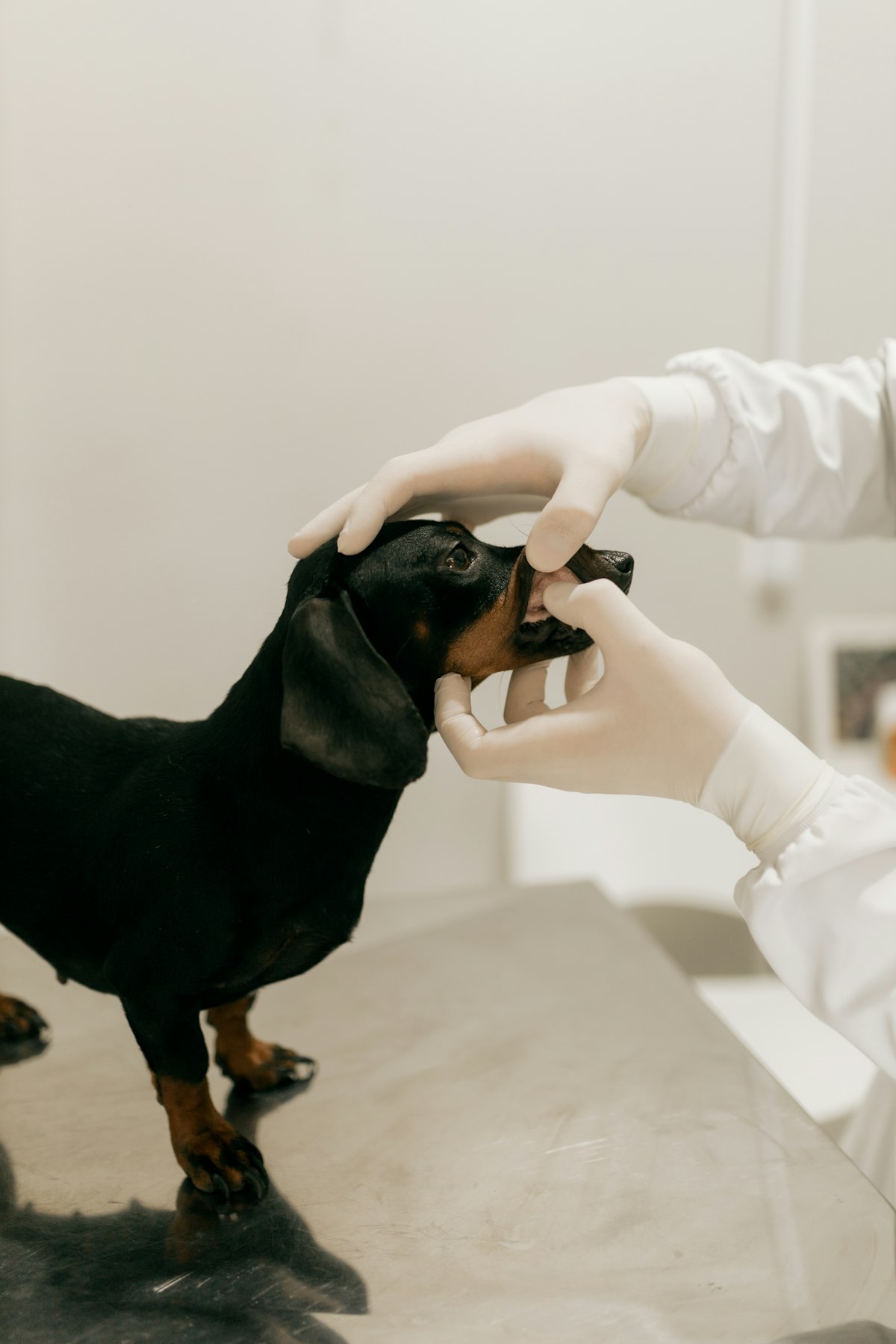
Every dog owner has been there: your dog is acting off and you’re staring at your phone wondering whether to rush to the emergency vet or just… wait and see. Bookmark this — because these situations always happen at the worst possible time. This guide gives you a clear, symptom-by-symptom breakdown so you can make the right decision with confidence.
Vomiting: When to Worry and When to Wait
What It Looks Like
Dogs vomit for all kinds of reasons — eating too fast, eating something weird, motion sickness, or just a sensitive stomach. The key is understanding what the vomit looks like and how often it’s happening.
🚨 Go to the Vet NOW If:
- Your dog is vomiting repeatedly (more than 3–4 times in a few hours)
- There’s blood in the vomit — bright red or dark brown like coffee grounds
- Your dog is also lethargic, weak, or unresponsive
- The abdomen looks bloated or your dog is retching but nothing comes up (this could be GDV/bloat — a life-threatening emergency)
- You suspect they ate something toxic: chocolate, xylitol, grapes, medications, cleaning products
- Your dog is a puppy under 6 months — puppies dehydrate dangerously fast
✅ You Can Monitor at Home If:
- They vomited once or twice and seem otherwise completely normal
- They ate grass or something unusual and it came right back up
- They’re still alert, interested in their surroundings, and drinking water
What to Do at Home
Withhold food for 4–6 hours to let the stomach settle, but keep fresh water available. After the fast, offer a bland diet: plain boiled chicken (no skin, no seasoning) mixed with plain white rice in a ratio of 1:3 chicken to rice. Gradually reintroduce normal food over 2–3 days. If vomiting continues or any new symptoms appear, call your vet.
Diarrhea: Reading the Signs
What It Looks Like
Loose stools are common and usually nothing dramatic — but some cases require urgent attention.
🚨 Go to the Vet NOW If:
- There’s blood in the stool — bright red or black/tarry (black tarry stools suggest bleeding higher in the GI tract)
- Diarrhea is combined with vomiting AND lethargy at the same time
- Your dog has had diarrhea for more than 48 hours straight
- Your dog is a puppy, senior, or has a known health condition
- You suspect parvovirus: an unvaccinated puppy with bloody, extremely foul-smelling diarrhea
✅ You Can Monitor at Home If:
- Diarrhea started after a dietary change or they ate something unusual
- Your dog is acting completely normal otherwise — energetic, drinking, eating
- It’s been less than 24 hours with no blood present
What to Do at Home
Use the same bland diet approach: boiled chicken and rice, small amounts given several times a day. Ensure they’re drinking water to prevent dehydration. Plain canned pumpkin (pure pumpkin, NOT pie filling) — 1–2 tablespoons for a medium dog — can help firm up stools naturally. Dog-specific probiotics can also help restore healthy gut flora.
Limping: Sprain or Something Serious?
What It Looks Like
Your dog is holding up a paw, favoring one leg, or moving more slowly than usual. This ranges from a minor thorn in the paw pad to a broken bone or ligament tear.
🚨 Go to the Vet NOW If:
- The leg is visibly deformed, bent at a wrong angle, or bone is visible
- There’s significant swelling, intense heat, or a wound that won’t stop bleeding
- Your dog won’t put any weight on the leg at all
- Limping started after a fall, collision, or car accident
- Your dog cries out in pain when you gently touch the leg or paw
✅ You Can Monitor at Home If:
- The limp is mild — they’re still partially bearing weight on the leg
- You can see and safely remove a thorn, small cut, or irritant in the paw
- They woke up stiff (common in older dogs after rest)
- No swelling and they let you touch the area without pain response
What to Do at Home
Restrict activity — no running, jumping, fetch, or stairs. Examine the paw thoroughly for splinters, cuts, swelling between toes, or cracked pads. Rest for 24–48 hours and reassess. If the limp hasn’t clearly improved after 48 hours of rest, it’s time to call your vet.
Skin Issues: Normal Itch or Serious Reaction?
What It Looks Like
Itching, redness, hot spots, hives, hair loss, or lumps. Skin issues are one of the most common reasons for vet visits — and most aren’t emergencies, but a few are.
🚨 Go to the Vet NOW If:
- Sudden hives, facial swelling, or throat swelling after a bee sting or new food/medication (anaphylaxis risk)
- A wound that looks infected: red streaking away from the wound, pus, warmth, bad smell
- A lump that has grown rapidly, feels hard, or seems attached to tissue underneath
- Your dog is scratching so intensely they’re breaking skin and bleeding
✅ You Can Monitor at Home If:
- Mild redness from a known cause (rolled in something, new laundry detergent)
- A small, soft lump that’s been stable in size for weeks (still mention it at the next vet visit)
- Seasonal itchiness they’ve dealt with before
What to Do at Home
For mild skin irritation, rinse the area with cool water. An oatmeal-based dog shampoo can soothe general itchiness. Antihistamines like Benadryl (diphenhydramine) are sometimes used for dogs — check dosing with your vet since it varies by body weight. Never use tea tree oil, hydrocortisone cream intended for humans, or Neosporin near mucous membranes on dogs.
Eye and Ear Problems
🚨 Go to the Vet NOW For Eyes If:
- The eye looks bulging, cloudy, or the inner eyelid (nictitating membrane) is prolapsed and visible
- Significant yellow or green discharge is present
- Your dog is pawing at the eye constantly or holding it shut
- Any eye injury occurred — even a small corneal scratch can deteriorate quickly
🚨 Go to the Vet NOW For Ears If:
- Violent, repetitive head shaking combined with constant pawing at the ear
- Strong odor, dark brown or black discharge, or visible swelling inside the ear
- Your dog yelps or flinches when you touch near the ear
✅ You Can Monitor at Home If:
- Eyes: small amount of clear discharge (“sleep”) that wipes away easily
- Ears: occasional mild head shaking, small amount of light tan wax
What to Do at Home
For minor eye discharge, use a clean damp cloth to gently wipe from the inner corner outward. For ears, only clean what’s visible at the entrance of the canal using a vet-approved ear cleaner — never insert anything into the ear canal itself.
Behavioral Changes: When “Off” Signals Something Wrong
What to Watch For
You know your dog better than anyone. Trust your gut when something feels genuinely different — behavioral changes are often the first sign of an underlying physical problem.
🚨 Go to the Vet NOW If:
- Sudden, unexplained aggression in a normally gentle dog (can signal pain or neurological issues)
- Sudden extreme lethargy — won’t get up, won’t eat, won’t respond to you
- Disorientation, stumbling, circling, or a persistent head tilt
- Seizures — even a first-time seizure requires same-day veterinary attention
- Loss of bladder or bowel control in a previously house-trained dog
✅ You Can Monitor at Home If:
- Mild tiredness after an unusually active or exciting day
- Slightly less interested in food for one meal
- Stress-related behavior during thunderstorms, fireworks, or a disrupted routine
Recommended: Build Your Dog’s Home Health Kit
Having the right supplies on hand means you can act fast when it matters. These are the essentials every dog owner should have at home — before they need them. For a full breakdown, see our guide to setting up a pet first aid kit.
Pet First Aid Kit
A dedicated kit with gauze, bandages, antiseptic wipes, tweezers, and emergency instructions. Far faster than hunting for supplies in a crisis. Ideally keep one at home and one in the car.
Digital Pet Thermometer
Know instantly if your dog has a fever. Normal range is 101–102.5°F. A $10 rectal thermometer can save you a panicked 2am emergency visit when your dog just has a mild temperature blip.
Plain Canned Pumpkin (Libby’s 100% Pure)
The single most useful pantry item for dog stomach issues. Firms up diarrhea, soothes upset stomachs. Must be 100% pure pumpkin — NOT pie filling. Stock 2–3 cans at all times.
Benadryl (Diphenhydramine) — Dog-Safe Dosing
For mild allergic reactions, hives, and bee stings. Diphenhydramine (plain Benadryl, NOT the formulas with decongestants) is vet-approved for dogs at ~1mg per pound. Confirm dosing with your vet for your dog’s weight.
The Non-Negotiable Emergency List
Always go to an emergency vet immediately for:
- 🚨 Difficulty breathing, wheezing, or blue/purple gums
- 🚨 Uncontrolled bleeding that won’t stop with pressure
- 🚨 Suspected poisoning — call ASPCA Poison Control: (888) 426-4435
- 🚨 Seizures lasting more than 2 minutes
- 🚨 Loss of consciousness or collapse
- 🚨 Distended belly with unproductive retching (GDV/bloat)
- 🚨 Eye injuries of any kind
- 🚨 Inability to urinate — especially in male dogs (potential life-threatening blockage)
- 🚨 Suspected broken bone
- 🚨 Heatstroke: excessive panting, drooling, staggering in hot weather
Also read: 15 Common Pet Dangers and How to Prevent Each One | 10 Toxic Houseplants for Pets You Might Already Own | 6 Vet Costs You Can Avoid Without Risking Your Pet’s Health | 2026 Veterinary Cost Statistics
Frequently Asked Questions
What should I do if my dog is vomiting frequently?
If your dog vomits more than 3-4 times in a few hours, has blood in the vomit, or shows signs of lethargy, call your vet immediately.
How can I tell if my dog’s diarrhea is serious?
Monitor for signs of dehydration, blood in the stool, or if diarrhea lasts more than 24 hours; if any of these occur, contact your vet.
Is it normal for my dog to have a soft stool occasionally?
Occasional soft stools can be normal; however, if it persists or is accompanied by other symptoms, consult your vet.
What symptoms indicate I should rush my dog to the vet?
Call the vet immediately if your dog has difficulty breathing, uncontrolled bleeding, suspected poisoning, seizures, or a bloated abdomen.
When is it safe to monitor my dog at home instead of going to the vet?
You can monitor at home if your dog has mild vomiting (1-2 times), soft stools without other symptoms, or minor limping with no swelling.