
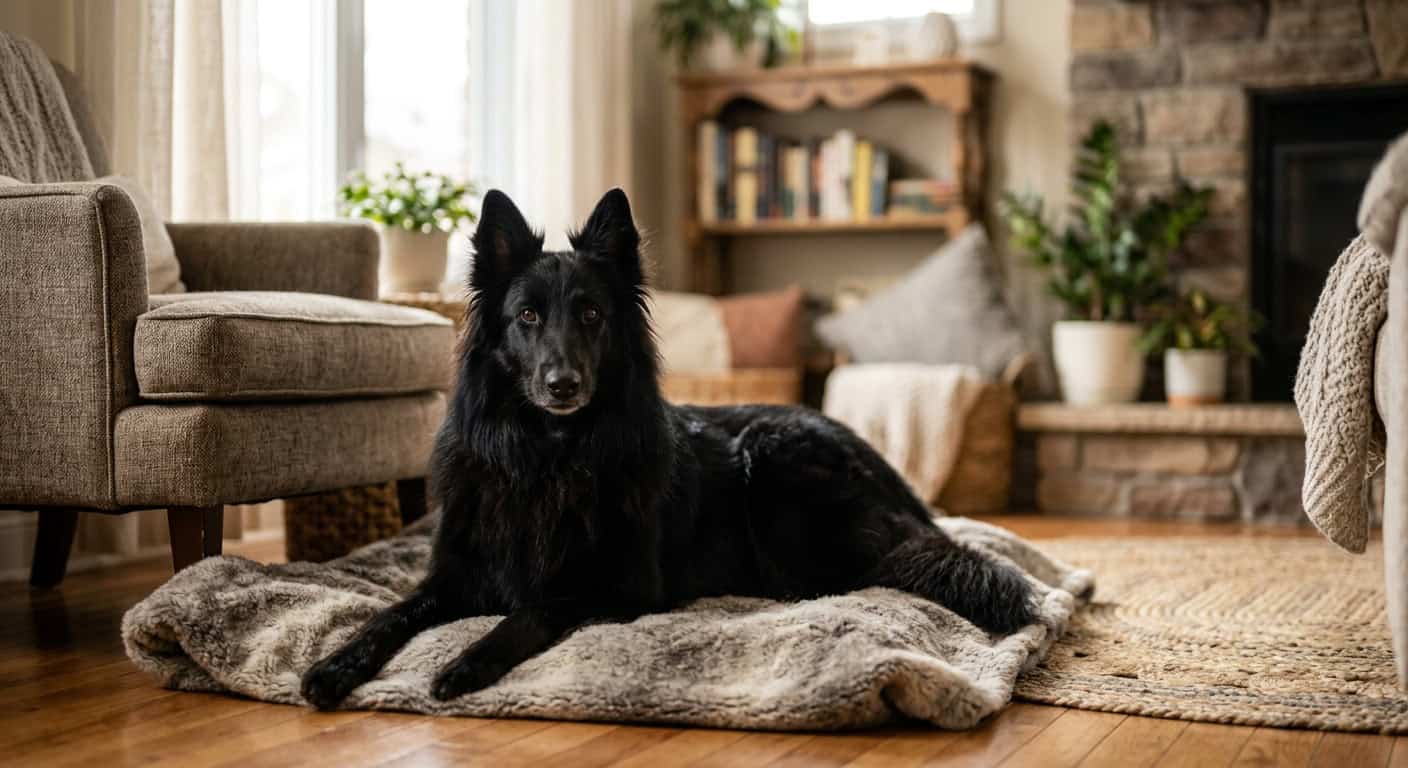
Apartment Living: Pros & Cons
Pros: Highly trainable and responsive, which means apartment rules can be established quickly. Medium size suits apartment spaces reasonably well when adequately exercised. Moderate shedder compared to the Malinois — easier to manage in a smaller home.
Cons: High energy and intelligence mean boredom sets in fast without daily structured activity. Can be vocal — alert barking at hallway sounds is common without training. Herding instinct may cause unwanted chasing behavior around cyclists or joggers during outdoor walks.
Exercise & Daily Activity Needs
Plan for at least 1.5–2 hours of exercise daily. Belgian Sheepdogs love variety: jogging, off-leash hiking, fetch, agility, and herding trials all suit them well. In apartment settings, morning and evening runs or long brisk walks are essential. Mental enrichment — puzzle toys, obedience training, nose work — is equally important. Without adequate stimulation, they may become anxious, destructive, or develop compulsive behaviors. A tired Belgian Sheepdog is a happy apartment dog.

Training the Belgian Sheepdog in an Apartment
Belgian Sheepdogs are highly trainable and eager to please, making them a pleasure to work with for experienced handlers. They excel at obedience, agility, and herding sports. For apartment living, start crate training early to establish a calm home base. Focus on “quiet” and “settle” commands — they’re prone to alerting at hallway sounds. Socialization from puppyhood is critical to prevent over-protectiveness or anxiety around strangers and new environments. These dogs respond best to positive reinforcement with an engaged, calm handler. Avoid harsh corrections — they’re sensitive and will shut down under pressure. Short, frequent training sessions throughout the day work better than one long session.
Grooming Requirements
The Belgian Sheepdog’s long, dense black coat requires consistent maintenance. Brush 3–4 times per week to prevent tangles and manage shedding, increasing to daily brushing during the twice-yearly heavy shedding seasons. Bathe every 6–8 weeks or as needed. The black coat shows dust and dander less than lighter coats but can still deposit hair on furniture and clothing. Professional grooming 2–3 times per year helps with coat health. Check and clean ears weekly, and trim nails monthly.
Health & Lifespan
Belgian Sheepdogs have a lifespan of 12–14 years and are generally robust. Common health concerns include hip dysplasia, elbow dysplasia, and epilepsy — a condition that appears more frequently in this variety than in some other Belgian shepherd types. Progressive retinal atrophy and thyroid issues have also been reported. Purchase from breeders who conduct OFA and CERF health testing. Annual vet checkups are recommended, with attention to joint health as the dog ages.
Feeding Guide
Belgian Sheepdogs typically eat 2–2.5 cups of high-quality dry food per day, divided into two meals. Active dogs may need more. Look for a protein-first formula suitable for medium-large active breeds. Avoid overfeeding — these dogs should maintain a lean, athletic build. Monitor weight during less active periods. Fresh water should always be available, especially after vigorous exercise.
Is the Belgian Sheepdog Right for You?
The Belgian Sheepdog suits active, experienced owners who appreciate an intelligent, responsive working breed. Runners, hikers, and dog sport enthusiasts will find them outstanding partners. They do well in families where someone is home much of the day and committed to daily training. They’re not ideal for first-time dog owners or those with unpredictable schedules. Their sensitivity means harsh handling creates lasting behavioral issues — calm, consistent leadership is essential. If you want a devoted, trainable dog that will challenge and reward you in equal measure, the Belgian Sheepdog delivers.
Recommended Products for Belgian Sheepdog Owners
🛒 Top Picks for Belgian Sheepdog Owners
- Best Dog Beds for Belgian Sheepdogs — supportive, right-sized for apartment living
- Top-Rated Harnesses for Belgian Sheepdogs — city-ready, escape-proof
- Best Dog Food for Belgian Sheepdogs — breed-appropriate nutrition
What Does a Belgian Sheepdog Cost to Own?
Owning a Belgian Sheepdog is a rewarding experience, but it’s essential to understand the costs involved. The purchase price for a Belgian Sheepdog from a reputable breeder typically ranges from $1,500 to $3,000, depending on pedigree and location. This initial cost ensures you’re getting a healthy, well-bred puppy.
Monthly ongoing costs include food, grooming, and veterinary care. High-quality dog food for this active breed can cost $40 to $60 per month. Belgian Sheepdogs have a thick double coat that requires regular grooming, which may add $20 to $50 monthly if done professionally. Veterinary expenses, including routine check-ups and pet insurance, can range from $30 to $70 per month. Pet insurance is highly recommended to cover unexpected health issues.
For grooming essentials, consider the FURminator deShedding Tool, a must-have for managing their coat. Proper budgeting ensures your Belgian Sheepdog stays happy and healthy!
Here’s an HTML section for your blog post:
“`html
Is the Belgian Sheepdog Good With Other Pets?
The Belgian Sheepdog is a highly intelligent and energetic breed with a strong herding instinct. While they can coexist peacefully with other pets, their natural prey drive and tendency to herd may require careful introductions and training. With proper socialization from an early age, Belgian Sheepdogs can get along well with cats, though their instinct to chase may surface if the cat runs. Supervised interactions are recommended until trust is established.
When it comes to other dogs, Belgian Sheepdogs are generally sociable but may display dominance or herding behaviors, especially with smaller or more timid breeds. Early socialization and consistent training help ensure harmonious relationships. They thrive in homes with active, confident dogs that match their energy levels.
Belgian Sheepdogs are affectionate and protective of children, making them excellent family companions. However, their herding instincts may lead them to nip at heels during play, so teaching kids how to interact safely is important. With guidance, they form strong bonds with both pets and children.
“`
This section provides breed-specific insights while maintaining readability and structure.
“`html
What Do Belgian Sheepdog Owners Say About Apartment Life?
Belgian Sheepdog owners in apartments admit it’s doable but demanding. “They’re quieter than expected—until someone knocks,” laughs one owner. Space-wise, they adapt well but need creative outlets: puzzle toys and hallway fetch sessions are lifesavers. The real challenge? Their energy. Rain or shine, two long walks and mental games are non-negotiable, or they’ll redecorate with your shoes. One owner swears by a strict routine: “6 AM walks keep us both sane.” It’s work, but their loyalty makes up for it.
“`
Frequently Asked Questions
🔗 Official Breed Resources