
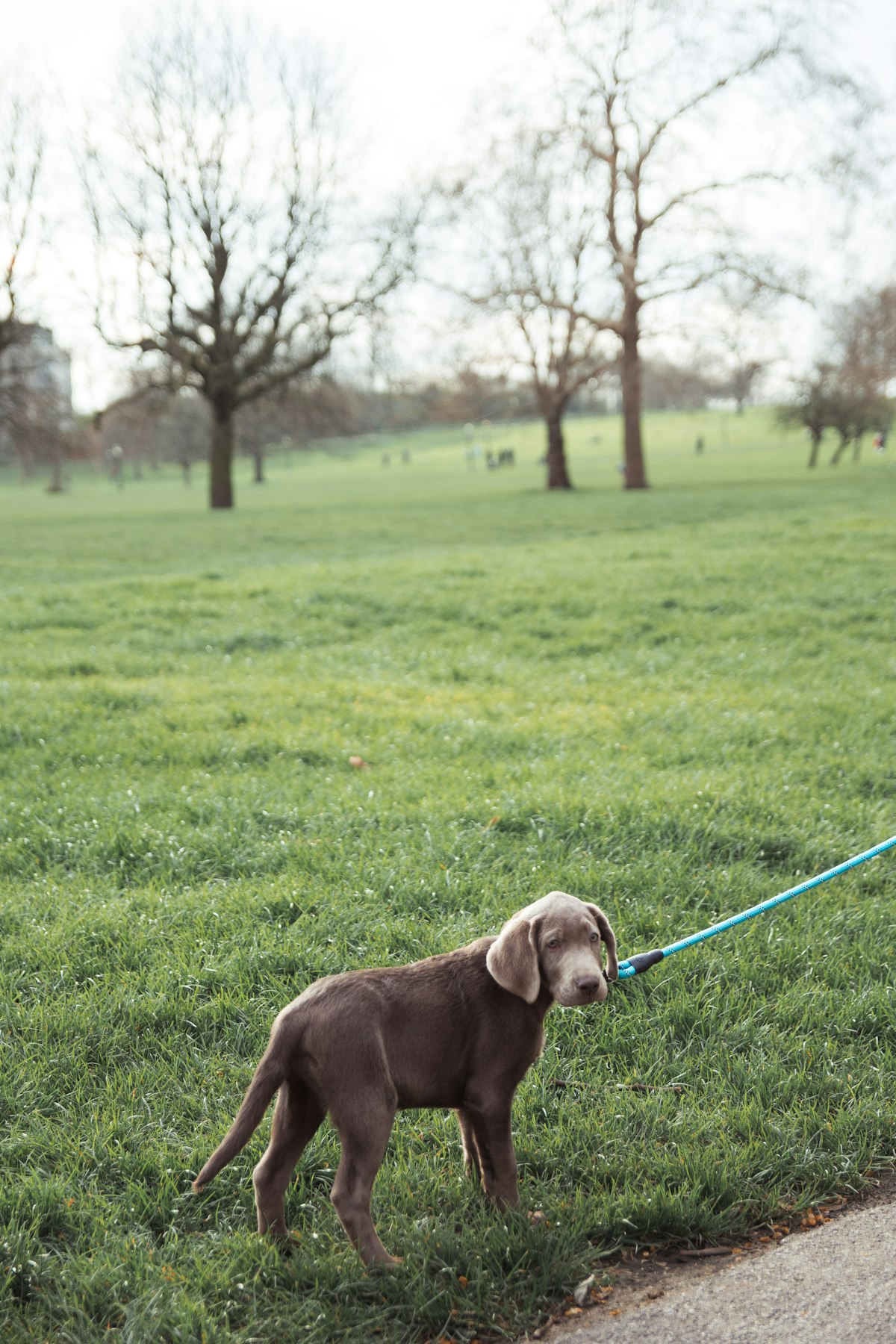
A dog that pulls on the leash isn’t being dominant or spiteful. They’re doing exactly what makes sense to them: walking fast gets them to the interesting smell, the other dog, the patch of grass. It’s been working their whole life, so why stop? You don’t have hours to train. Here’s a 10-minute routine that actually works.
The good news: leash pulling is one of the most trainable problems in dogs. With the right method, the right equipment, and consistent daily practice, you can teach any dog — at any age — to walk nicely. Also check: The Ultimate Guide to Dog Training in Apartments for the full foundation.
Why Dogs Pull: The Simple Truth
Pulling works. When your dog pulls forward and you keep moving, they’ve just learned that tension on the leash = you move with them. Every walk where pulling resulted in forward progress has reinforced the behavior.
This means the core fix is simple in concept: pulling must stop resulting in forward movement. The second the leash tightens, the walk stops. When the leash is loose, the walk continues. Dogs figure this out fast — because they’re not being stubborn, they’re being logical.
The Right Equipment Makes This Way Easier
Before we get into technique, let’s talk gear. The right equipment doesn’t train your dog for you, but the wrong equipment actively works against you.
Front-Clip Harness ✅ (Recommended)
A front-clip harness has the leash attachment on your dog’s chest. When they pull forward, the design naturally turns their body back toward you instead of letting them lean into the pull like a sled dog. This doesn’t hurt them — it just makes pulling physically awkward. Good options include the PetSafe Easy Walk Harness and the Ruffwear Front Range.
Standard Back-Clip Harness ❌ (Avoid for Pullers)
The leash attaches at the dog’s back. This is the equipment style that most activates the “opposition reflex” — the dog’s natural instinct to push into pressure. If your dog pulls, this harness makes it worse. Reserve it for dogs who already walk nicely.
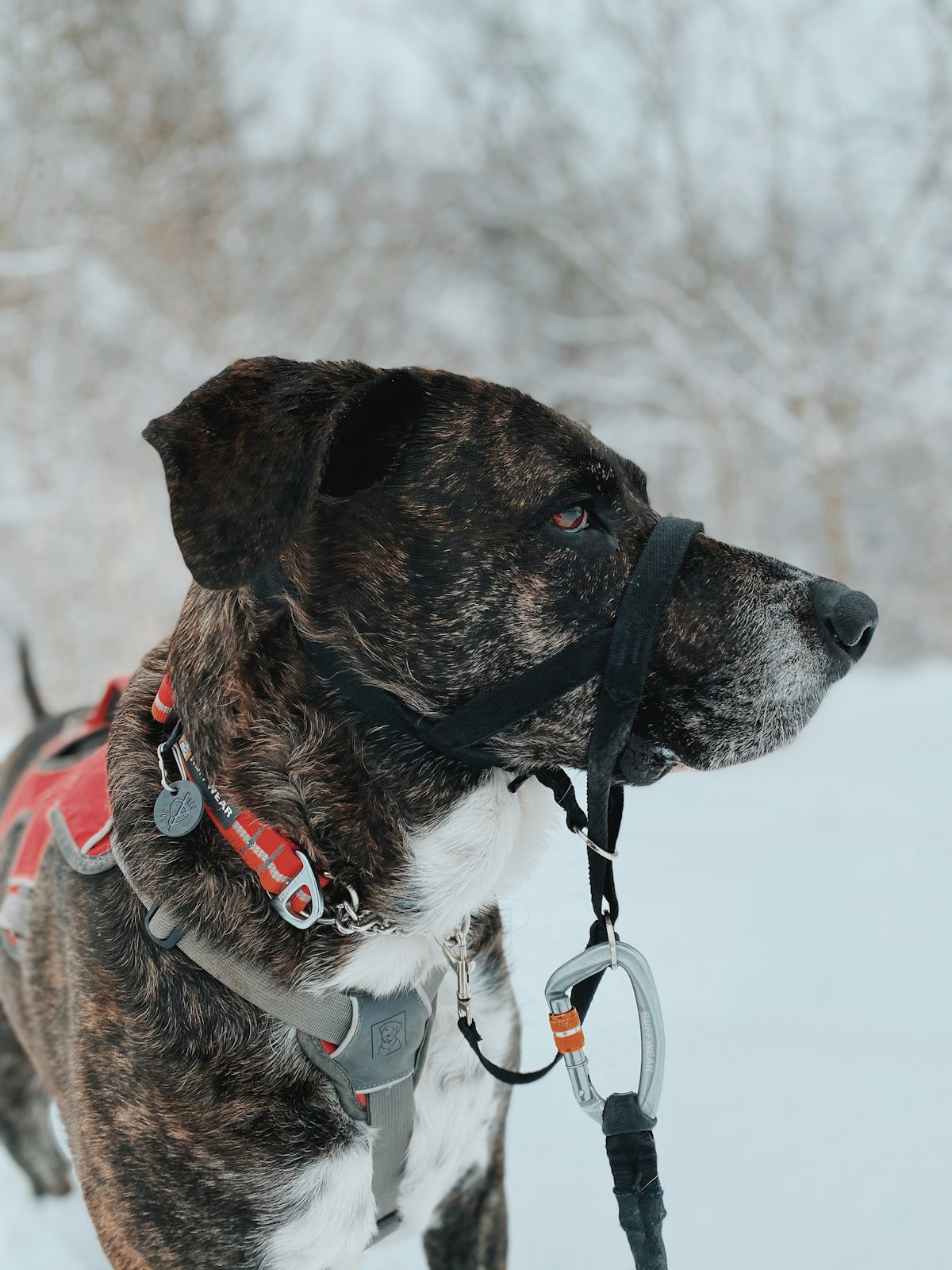
Head Halter (e.g., Gentle Leader) ✅ (Effective, But Requires Adjustment Period)
Fits over the muzzle (not a muzzle — the dog can still open their mouth, drink, eat). Gives you steering control by controlling the head. Highly effective for large, strong pullers or dogs that are difficult to redirect. Requires a careful introduction period because most dogs initially resist it — never put it on and just go. Spend a week building a positive association with treats before attaching a leash.
Recommended Gear
PetSafe Easy Walk Front-Clip Harness
The most widely recommended no-pull harness. Chest clip redirects pullers sideways and back toward you rather than letting them lean forward. Adjusts in 4 places for a precise fit. Works for most dogs on day one.
PetSafe Gentle Leader Head Halter
Controls the head, controls the dog. Highly effective for large, strong pullers who’ve outgrown harness-based training. Requires a 5–7 day introduction process — follow the included instructions carefully. Vet and trainer approved.
Treat Pouch for Walks
Fast treat access is non-negotiable for loose-leash training. You need to reward within 3 seconds of good behavior. A magnetic-close treat pouch on your hip means your timing is always right.
Standard 6ft Leather Leash
A quality leather leash is more comfortable to hold than nylon (no rope burn when a dog lunges), and the natural material is gentler on your hands during the stop-and-redirect method. Gets better with use as it softens over time.
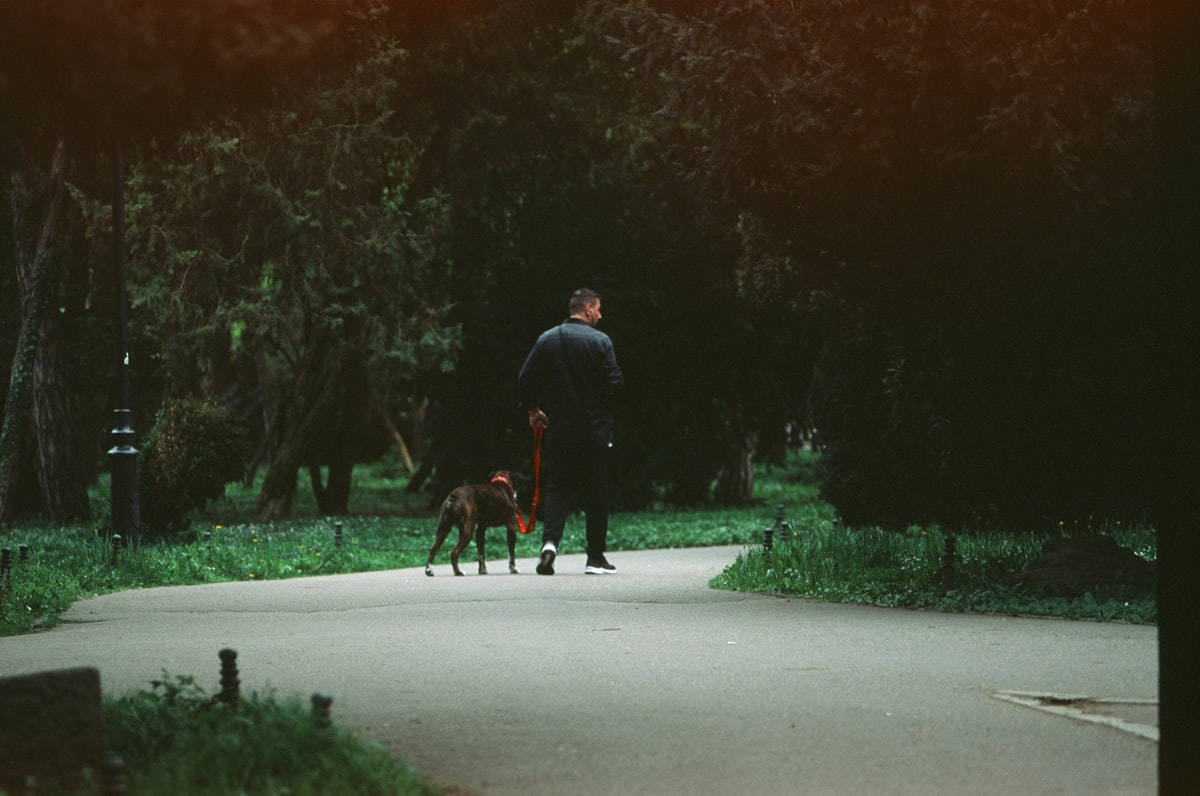
The Stop-and-Redirect Method: Step by Step
This is the foundation of loose-leash training. It’s simple, clear for your dog, and it works.
The Core Rule
Leash tension = no forward movement. Loose leash = walking continues.
How to Do It
- Start before you leave the house. Ask for a sit before putting on the leash. Ask for a sit before opening the door. Your dog is already learning: calm behavior = the good stuff happens.
- Walk at a normal pace. Don’t shuffle along waiting for them to pull — walk with intention.
- The moment you feel tension: Stop completely. Plant your feet. Don’t yank back, don’t say anything. Just stop.
- Wait for slack. Your dog will pull for a moment, then turn to see why you stopped. The second the leash goes slack — even briefly — say “yes!” and step forward again as the reward.
- Alternatively: change direction. When tension appears, pivot and walk the other way (calmly, no jerking). Your dog has to follow. Reward them when they catch up and are walking beside you with a loose leash.
- Mark and reward the good moments. When your dog is walking beside you with a loose leash, tell them: “yes! Good walk.” Treat occasionally. Make the correct behavior feel great.
Important Notes
- This method requires you to be consistent. If you stop for 50% of pulls and let 50% slide because you’re in a hurry, your dog will keep pulling — the 50% they got away with was enough reinforcement.
- Progress is slow at first. You may stop 30 times in the first block. That’s normal and expected — it will get much faster.
- Short practice walks (10–15 minutes with full attention) build the behavior faster than long distracted walks.
The 10-Minute Daily Practice Routine
Dedicated practice walks are different from regular exercise walks. During practice, you’re training the whole time. During regular walks, you’re giving your dog exercise with gentle reinforcement of good behavior. See also: 15 Apartment Dog Exercise Ideas That Actually Work for how to balance training walks with real exercise.
Practice Walk Structure
- Minutes 1–2: Warm-up in the driveway or yard. Slow pace, many direction changes, reward every few steps of loose-leash walking. No distractions yet.
- Minutes 3–7: Low-distraction street or path. Apply the stop-and-redirect consistently. Reward loose leash walking generously.
- Minutes 8–10: Sniff time reward. Allow free sniffing on a loose leash as a reward. “Go sniff” — let them be a dog. This also reinforces that calm walking = access to the interesting stuff.
Progression
- Week 1–2: Practice only in low-distraction environments (quiet street, yard, empty parking lot)
- Week 3–4: Introduce moderate distraction (neighborhood with some foot traffic)
- Week 5+: Practice near higher distractions (parks, other dogs at a distance)
What to Do When They See Another Dog (or Squirrel, or Anything)
This is where most loose-leash training falls apart, because the distraction suddenly outweighs any reward you’re offering.
The “Under Threshold” Principle
Your dog has a threshold for every distraction — a distance at which they can notice the thing but still think. Inside that threshold, they’re over-aroused and training becomes nearly impossible. Outside it, they can learn.
If your dog loses their mind when they see another dog, find the distance where they can notice the dog but still respond to a treat or command. Work there. Practice calm focus at that distance. Gradually close the gap over days and weeks.
Frequently Asked Questions
What should I do when my dog starts pulling on the leash?
Stop walking immediately and wait until the leash goes slack before continuing.
How long will it take for my dog to stop pulling on the leash?
Most dogs show noticeable improvement within 2–3 weeks with consistent practice.
Is a standard back-clip harness effective for dogs that pull?
No, it can make pulling worse as it activates the dog’s natural instinct to push against pressure.
Can I use a head halter to control my dog’s pulling?
Yes, a head halter can be effective but requires an adjustment period for your dog.
How much daily practice is needed to reduce leash pulling?
10–15 minutes of daily practice is recommended for effective training.