
Apartment Dogs: The Complete Guide for 2026
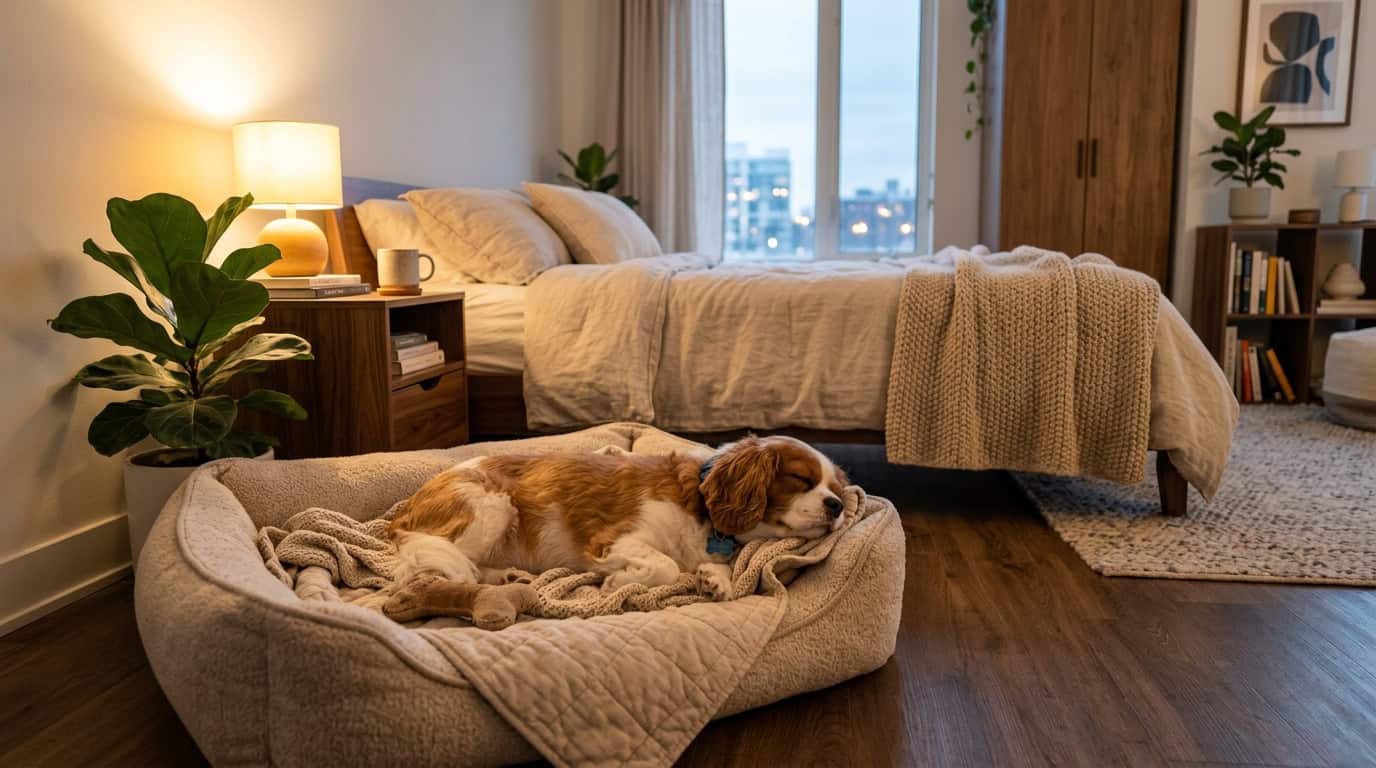
Almost any dog can thrive in an apartment with the right breed selection, daily exercise (30–60 min), mental stimulation, and consistent training. Key success factors: choose a low-energy or adaptable breed, establish a routine, and enrich your dog’s environment with puzzle toys and window perches.
Why Apartment Living and Dogs Can Work Perfectly?
The idea that dogs need a backyard to be happy is one of the most persistent myths in pet ownership. The truth? Thousands of dog owners successfully raise happy, well-adjusted dogs in apartments every day — and many of those dogs are healthier and better socialized than their suburban counterparts.
What dogs actually need is structure, companionship, daily exercise, and mental stimulation. None of those require a yard. What they do require is an owner who’s informed and committed — which is exactly what you’ll become by the end of this guide.
According to the American Veterinary Medical Association, approximately 67% of U.S. households own a pet, and a significant and growing portion of those households are apartment dwellers. The market has responded — from apartment-specific training classes to indoor dog parks in urban high-rises.
What Are the Best Choosing the Right Breed for Apartment Life?
Breed selection is the single most important decision you’ll make as an apartment dog owner. Choose wrong, and you’ll spend years managing a mismatched energy level. Choose right, and apartment life becomes surprisingly effortless.
Best Low-Energy Apartment Breeds
These breeds were practically designed for apartment living — calm indoors, content with moderate walks, and generally quiet neighbors:
- French Bulldog — Low energy, rarely barks, loves couch time. Watch out for heat sensitivity.
- Cavalier King Charles Spaniel — Gentle, adaptable, great with kids and seniors.
- Basset Hound — Surprisingly calm indoors despite their hound heritage. Daily walks are sufficient.
- Greyhound — One of the best-kept secrets. These “40mph couch potatoes” sleep 18 hours a day.
- Shih Tzu — Bred as palace companions; they’re perfectly happy in small spaces.
For a comprehensive breakdown, see our guide to the best apartment dogs under 20 pounds and our list of quiet dog breeds for apartments.
High-Energy Breeds That Can Adapt
Some high-drive breeds can work in apartments — but require a very committed owner. Border Collies, Australian Shepherds, and Huskies need 2+ hours of vigorous exercise daily plus intensive mental stimulation. These breeds are for experienced owners who run, cycle, or do dog sports.

What Are the Best Setting Up Your Apartment for a Dog?
Before your dog even comes home, your apartment needs to be ready. Think of it as baby-proofing — except the “baby” can jump 4 feet, chew through baseboards, and has zero concept of what belongs to them.
Dog-Proofing Checklist
- Secure electrical cords with cable management or cord covers
- Move toxic houseplants (philodendron, pothos, lily) to inaccessible shelves
- Store chemicals and medications in locked cabinets
- Remove small objects that could be swallowed
- Install baby gates to restrict access to kitchen and bathroom
- Cover garbage cans with locking lids
For a room-by-room breakdown, check our apartment pet safety tips guide.
Creating a Dog Zone
Dogs thrive with a dedicated space. Set up a corner with their bed, water bowl, and toys. This gives them a sense of ownership and security — especially important in apartments where the living space is shared. Use a furniture-style dog crate that doubles as a side table to save floor space.
What Should You Know About Exercise?
Exercise is the cornerstone of apartment dog ownership. A well-exercised dog is a quiet, calm, destructive-behavior-free dog. There are no shortcuts here.
Daily Exercise Requirements by Size
- Small dogs (under 20 lbs): 20–30 minutes, 2–3 walks daily
- Medium dogs (20–50 lbs): 30–45 minutes, 2–3 walks daily
- Large dogs (50+ lbs): 45–90 minutes, minimum 2 substantial walks
Urban dwellers have access to resources suburban dog owners often don’t — off-leash dog parks, dog-friendly trails, doggy daycares, and professional dog walkers. Use them. See our guide on how to choose a dog walker for your apartment dog.
Indoor Exercise Options
Bad weather days happen. Stock these indoor exercise options:
- Stairwell sprints (great for high-energy dogs)
- Hallway fetch with a soft ball
- Treadmill training (yes, dogs can learn this)
- Tug-of-war sessions
- Hide-and-seek with treats
What Should You Know About Mental Stimulation?
Physical exercise alone isn’t enough. Dogs need mental challenges — and in apartments, you have to be more intentional about providing them. A mentally stimulated dog is 10x calmer than a physically tired but bored dog.
Enrichment Ideas That Work in Small Spaces
- Puzzle feeders: Replace 1–2 meals per day with puzzle feeders. Extends mealtime from 30 seconds to 20 minutes.
- Sniff walks: Let your dog lead and sniff everything on walks. This is mentally exhausting in the best way.
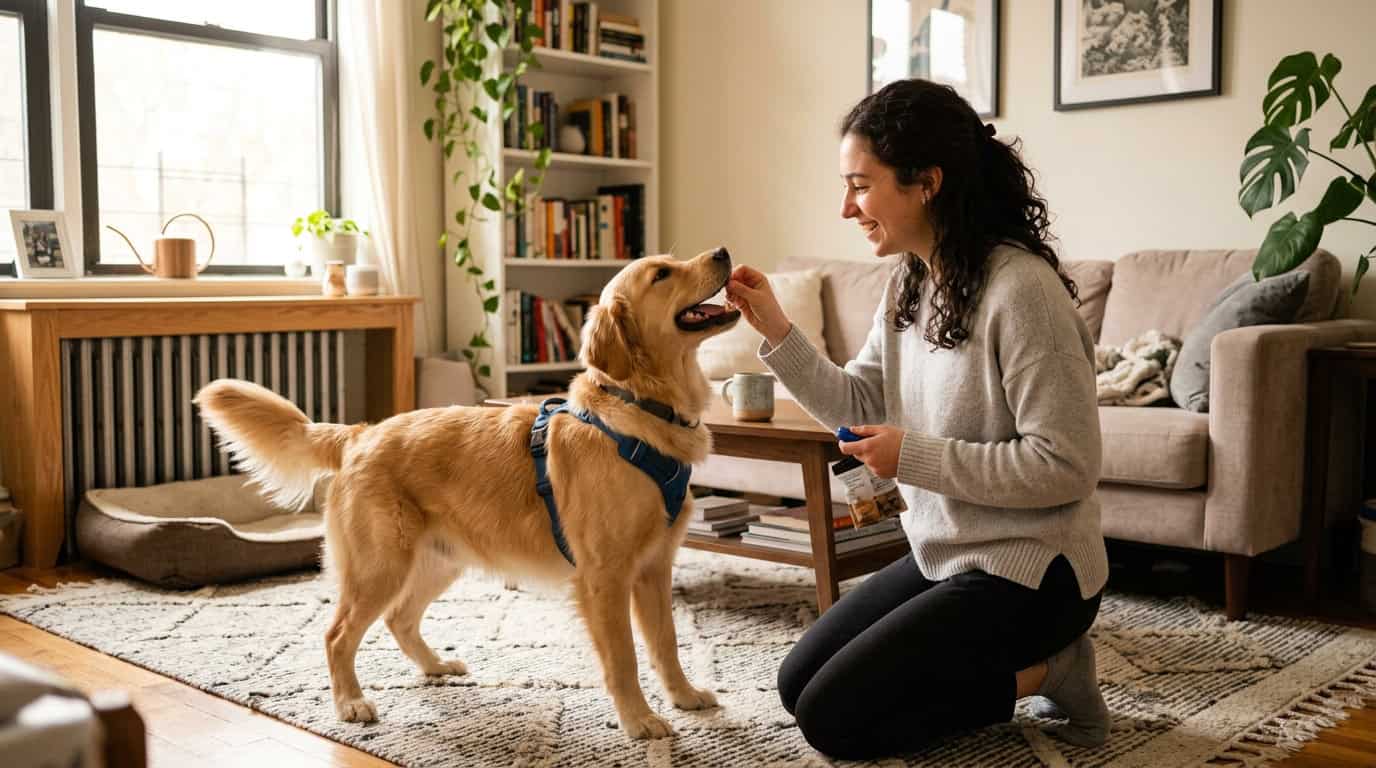
- Training sessions: 10 minutes of new trick training is equivalent to 30 minutes of exercise for most dogs.
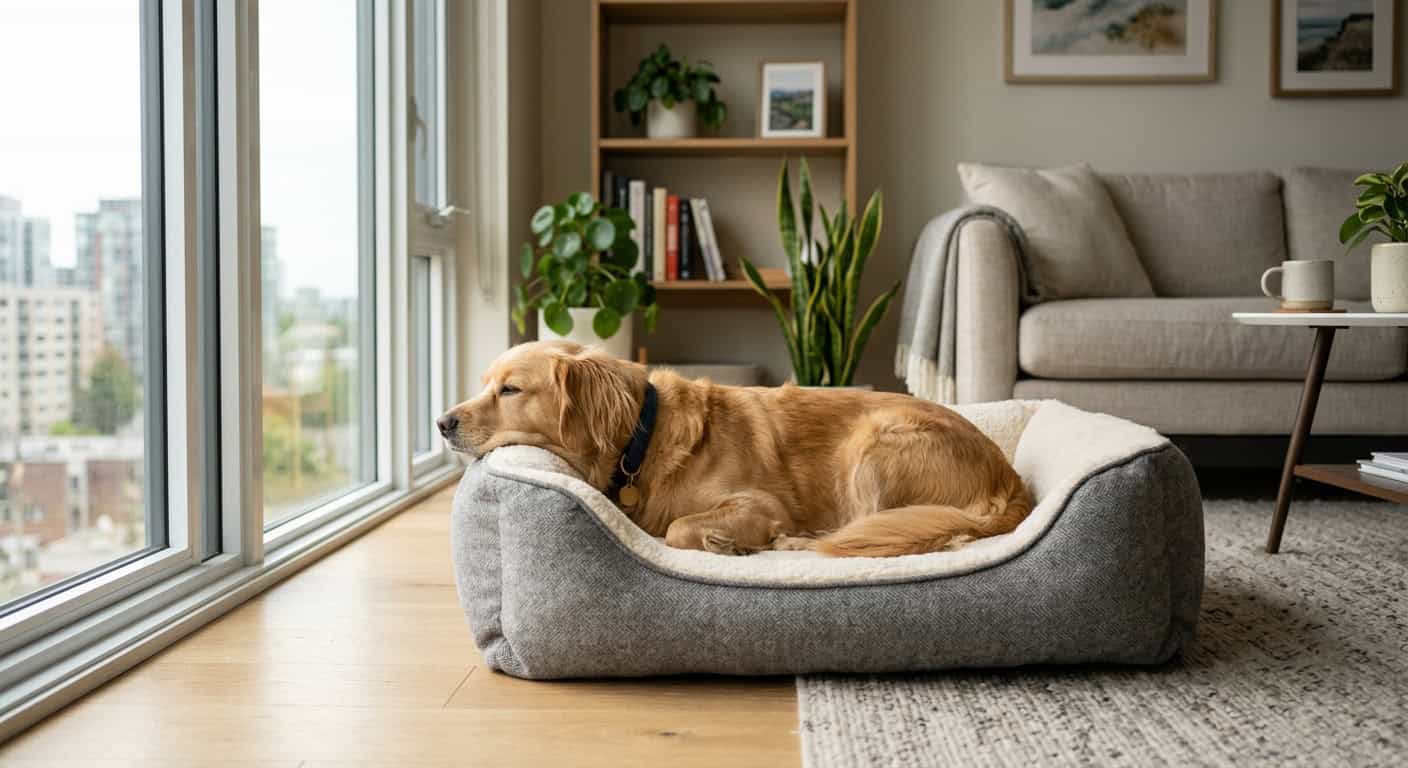
- Window perch setup: A raised dog bed near a window gives them hours of free entertainment.
- Food-stuffed Kongs: Freeze peanut butter and kibble in a Kong for 30–45 minutes of solo engagement.
• KONG Classic (stuffable chew toy)
• Dog Puzzle Feeder / Slow Bowl
• Snuffle Mat for Nose Work
How Do You Handle Training Essentials for Apartment Dogs?
In an apartment, certain behaviors are non-negotiable: quiet on command, calm greetings, no jumping on neighbors, and reliable recall. These aren’t nice-to-haves — they’re what keeps your dog welcome in the building.
Teaching Your Dog to Be Alone
Separation anxiety is the #1 behavioral complaint from apartment dog owners. The key is systematic desensitization:
- Start with 1-minute departures — no emotional goodbye
- Gradually increase to 5, 10, 20, 45 minutes over 2 weeks
- Always return calmly (no excited reunions that spike anxiety)
- Provide a frozen Kong or puzzle toy during absences
- Consider a calming dog camera like a Furbo treat dispenser for remote interaction
For a deep dive into this issue, see our guide on stopping dog separation anxiety in apartments.
Potty Training in an Apartment
Potty training without a backyard is entirely achievable. The key principles:
- Take puppies out every 2 hours minimum; after meals, naps, and play
- Use a consistent outdoor spot — the scent cues reinforce the behavior
- Celebrate every outdoor success with genuine enthusiasm
- Never punish accidents; simply clean thoroughly with an enzymatic cleaner
- Consider indoor grass pads as a backup option for late nights
What Are Managing Noise and Neighbors?
Your dog’s noise affects everyone in the building. Proactive management protects your lease and your neighbor relationships.
Reducing Barking
- Block visual triggers with window film or furniture repositioning
- Use white noise or calming music to mask hallway sounds
- Teach the “quiet” command with positive reinforcement (see our full guide: how to teach a dog to be quiet)
- Address underlying anxiety if barking is stress-based
What Should You Know About Apartment Dog Care?
Apartment dogs have unique health considerations compared to their yard-dwelling counterparts:
- Dental hygiene: Without outdoor chewing on sticks and grass, dental disease develops faster. Brush 3x per week minimum.
- Nail care: Less outdoor running means nails grow faster. Trim every 3–4 weeks.
- Weight management: Monitor calories carefully — indoor dogs move less than outdoor dogs.
- Mental health: Watch for signs of boredom, depression, or anxiety, especially in working breeds.
According to the ASPCA, indoor pets are more frequently exposed to household toxins than outdoor pets. Keep a list of emergency vet numbers and the ASPCA Poison Control hotline (888-426-4435) posted on your fridge.
Building Community: Dogs as Social Connectors
One underrated aspect of apartment dog ownership: dogs are social magnets. Dog-friendly buildings create community. Dog owners bond with neighbors over shared experiences, coordinate dog-walking schedules, and often help each other with pet sitting. Your dog can make apartment living more social and connected than you’d ever imagined.
Introduce your dog to neighbors early, always ask before approaching other dogs, and be the responsible owner who cleans up immediately and keeps their dog on a leash in common areas. This builds goodwill that protects your tenancy during the inevitable challenging moments.
Frequently Asked Questions
Can any dog live in an apartment?
Yes — many dogs thrive in apartments. Low-energy, quiet breeds like Cavaliers, Shih Tzus, and Greyhounds adapt best, but any dog can do well with proper exercise and enrichment.
How much exercise does an apartment dog need?
Most apartment dogs need 30–60 minutes of exercise per day split into 2–3 walks, plus indoor enrichment activities like puzzle feeders and training sessions.
How do I stop my apartment dog from being bored?
Rotate toys weekly, use puzzle feeders, teach new commands, set up a window perch, and consider doggy daycare 1–2 days a week.
What is the best apartment dog breed?
Top apartment breeds include French Bulldogs, Cavalier King Charles Spaniels, Pugs, Shih Tzus, and Greyhounds — all calm, adaptable, and relatively quiet.
How do I train a dog to be alone in an apartment?
Start with short absences of 5 minutes and gradually increase. Use a calm departure cue, leave enrichment toys, and avoid emotional goodbyes. Most dogs adapt within 2–4 weeks.
e=”position:absolute;width:1px;height:1px;padding:0;margin:-1px;overflow:hidden;clip:rect(0,0,0,0);white-space:nowrap;border:0″>Apartment Dogs: The Complete Guide for 2026